Unschooling vs Democratic Schools in India: Understanding the Difference
A comparison of unschooling at home versus attending a democratic school in India, highlighting autonomy, social dynamics, and certification pathways.

Both unschooling and democratic schooling share a core philosophy: children learn best when they direct their own education. However, the day-to-day reality of these two paths in India looks very different.
Unschooling happens in the context of the family and the wider world, while democratic schooling happens within a community of peers governed by shared rules. Let us break down how these approaches diverge.
Structure and Autonomy
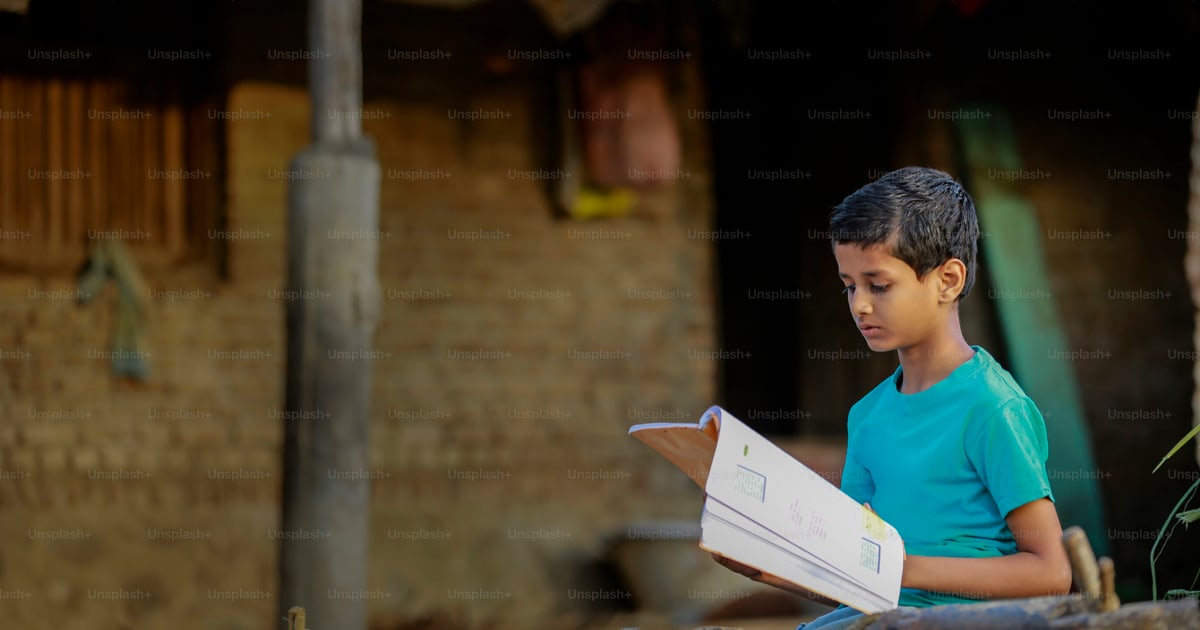
In an unschooling setup, the child and parents negotiate daily life. The "curriculum" is whatever the child is currently interested in. The parent acts as a facilitator, finding resources—be it a math tutor for unschoolers or a local pottery class.
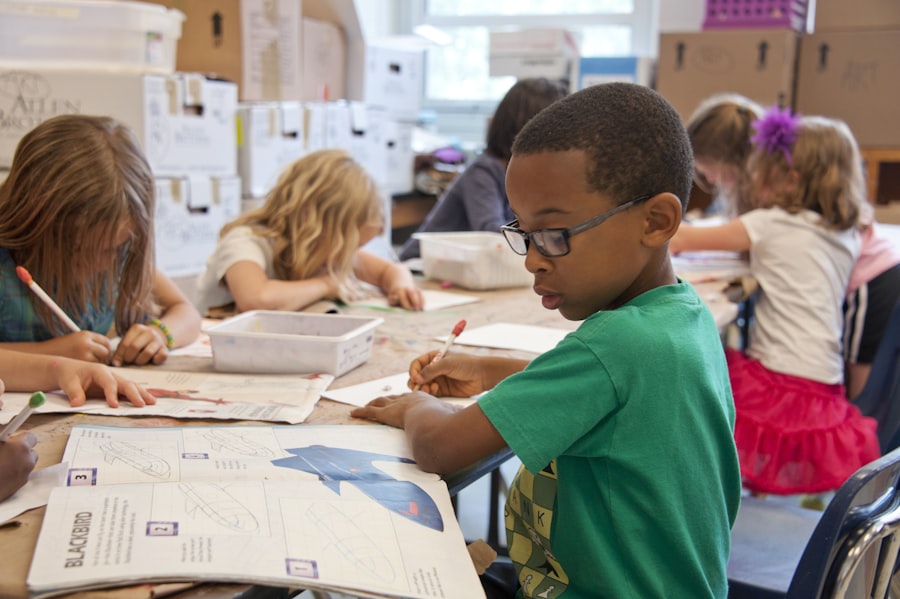
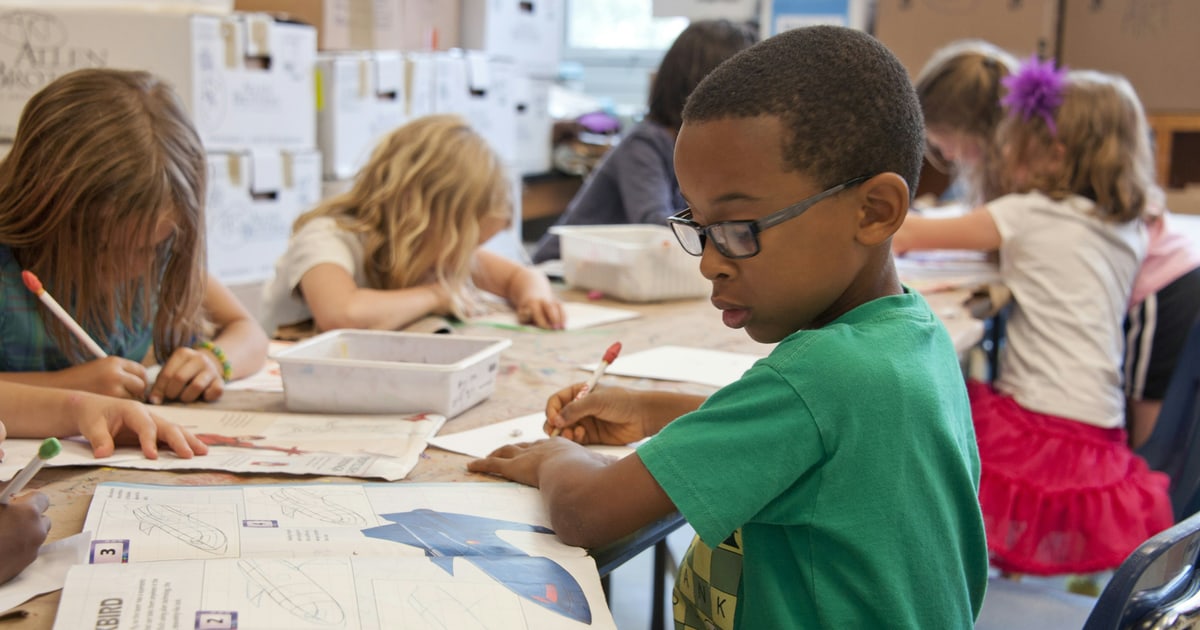
In a democratic school (like Shibumi or BeMe in Bengaluru), children also choose what they learn. However, they are part of a school community. They must participate in school meetings and abide by rules created democratically by the students and staff. Their autonomy is balanced against the needs of the collective.
Social Dynamics and Peer Interaction
Socialisation is built-in at a democratic school. Children interact with mixed-age peers daily, navigating conflicts and collaborations in real-time. For unschoolers, socialisation requires deliberate effort—joining homeschooling networks, local co-ops, or extracurricular classes.
The Parent's Role
Unschooling is highly parent-intensive. You are the primary orchestrator of your child's environment. If you are experiencing unschooling burnout, the responsibility can feel overwhelming.
In a democratic school, parents step back. The facilitators at the school take on the role of guiding the child within the campus environment, allowing parents to focus on their own work and the parent-child relationship outside of "school" hours.
| Feature | Unschooling | Democratic Schools |
|---|---|---|
| Primary Environment | Home and community. | School campus. |
| Social Interaction | Requires parent coordination (co-ops, classes). | Built-in daily interaction with mixed-age peers. |
| Governance | Family negotiations. | School meetings where students and staff vote on rules. |
| Parental Involvement | High; parents facilitate most learning opportunities. | Lower; school staff facilitate campus activities. |
- Do democratic schools in India offer board certification?
- Some do, often guiding students towards NIOS or IGCSE in their teen years, similar to how unschoolers prepare for exams.
- Which is cheaper: unschooling or a democratic school?
- Unschooling is generally cheaper as it avoids school fees, though costs for external classes and resources can add up. Democratic schools charge tuition fees comparable to other alternative schools.
Schools mentioned in this guide
- Shibumi ≈ ₹3,20,000 / yr · Cambridge IGCSE · A Level (as private candidates)
Ready to compare schools?
Browse online & alternate schools in India and the UAE on Skoolpin.
Find schools