Radical Unschooling vs Unschooling in India: Understanding the Extremes
Explore the boundaries between standard unschooling and radical unschooling in the Indian context, including screen time, bedtimes, and food choices.
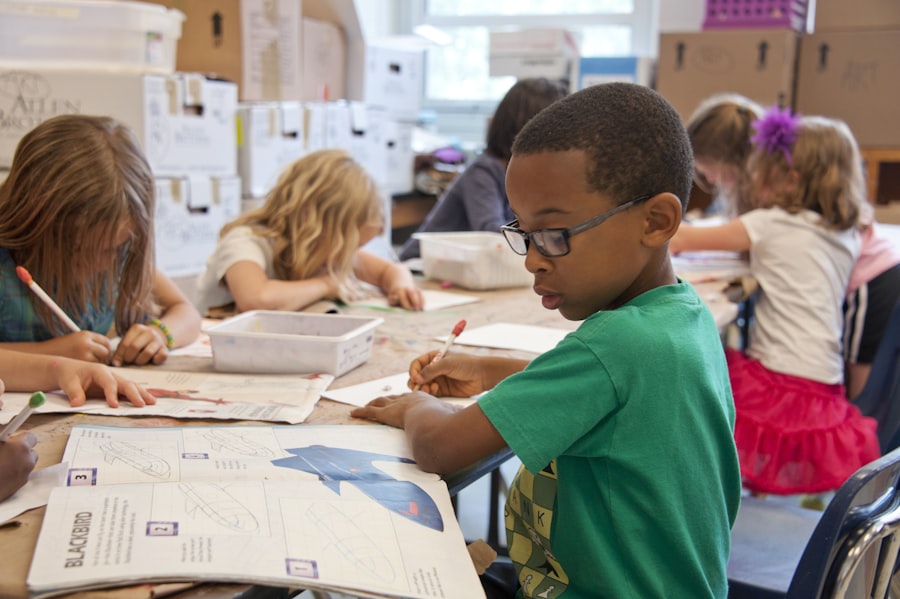
Standard unschooling applies self-directed freedom to academics, letting children choose what to learn. Radical unschooling extends this total autonomy to all areas of life, including bedtimes, screen time, and diet, trusting the child to self-regulate completely.
In India, unschooling is already viewed with deep skepticism by the mainstream. The idea of letting a 10-year-old decide they want to study baking instead of algebra feels rebellious enough. But radical unschooling takes it a step further, removing parental veto power from everyday life decisions. Let’s look at how these two philosophies play out in Indian homes.
The Boundaries of Freedom
Standard unschooling is primarily an educational philosophy. Parents might facilitate learning based on the child’s interests—buying them a telescope if they love stars, or taking them to the market to learn math. However, the parents still enforce household rules, limit iPad usage, and insist on eating vegetables.
Radical unschooling, coined by Sandra Dodd, views *any* arbitrary restriction as a hindrance to natural development. If a child wants to play Minecraft until 2 AM, the radical unschooling parent allows it, believing the child will eventually learn to regulate their own sleep and screen habits.
Radical unschooling isn’t about neglecting your child; it’s about partnering with them. However, in the Indian cultural context where family hierarchy is deeply entrenched, relinquishing that control requires a massive psychological shift for parents. — Dr. Kavita Sharma, Child Psychologist (The Hindu, 2024)
Key Differences at a Glance
| Area of Life | Standard Unschooling | Radical Unschooling |
|---|---|---|
| Academics | Child-led, no forced curriculum | Child-led, no forced curriculum |
| Screen Time | Parent-regulated limits | Unlimited, child-regulated |
| Sleep/Bedtimes | Enforced by parents | Child sleeps when tired |
| Food Choices | Parents guide nutrition | Child chooses what and when to eat |
Many Indian parents find themselves oscillating between the two. They might embrace unschooling for academics but draw the line at unlimited YouTube, citing concerns over managing screen time.
The Radical Reality in India
Implementing radical unschooling in India comes with unique cultural friction. Extended family pressure is intense; grandmothers will inevitably ask why a 7-year-old is awake at midnight eating Maggi. Furthermore, the chaotic traffic and lack of safe, accessible public spaces in Indian cities mean children cannot always independently explore their environment as easily as radical unschoolers in rural America might.
Despite these challenges, a small but fiercely dedicated community exists. These parents argue that the socialisation myths are overblown, and that children raised with absolute autonomy develop remarkable self-awareness and emotional intelligence.
Finding Middle Ground
For parents intrigued by autonomy but terrified of chaos, structured alternatives exist. You might look into democratic schools like Sudbury models where children vote on rules, or StayQrious Neoschool which blends guided structure with curiosity-driven projects.
| Approach | Parental Role | Child’s Role |
|---|---|---|
| Traditional School | Enforcer/Supporter | Compliance |
| Standard Unschooling | Facilitator/Guide | Academic Autonomy |
| Radical Unschooling | Partner/Resource | Total Autonomy |
- Is radical unschooling legal in India?
- Homeschooling and unschooling exist in a legal grey area under the RTE Act. The law does not differentiate between standard and radical unschooling; it only cares about eventual certification if the child wishes to enter higher education.
- Do radical unschoolers ever take board exams?
- Yes, if the child chooses to. Many unschooled teens in India independently decide to prepare for NIOS or IGCSE exams when they realize they need a certificate for their chosen career path.
- How do radical unschoolers learn to read without forced instruction?
- Through environmental exposure and necessity. When a child wants to play a complex video game or read a comic book, they naturally ask for help and decode language organically, often faster than through forced phonics drills.
Ready to compare schools?
Browse online & alternate schools in India and the UAE on Skoolpin.
Find schools