Managing Screen Time During Online Schooling in India (2026)
A practical, science-backed guide for Indian parents to manage screen time during online schooling without constant arguments or compromising eye health.
The core answer to screen time anxiety in online schooling: separate "active learning" from "passive consumption," strictly enforce the 20-20-20 rule, and ensure outdoor physical activity matches unstructured screen hours. You do not need to ban devices; you need a system.
When your child shifts to an online school in India, the most common parental fear is that they will turn into a screen-zombie. It is a valid fear. If school, homework, entertainment, and socialising all happen on a 13-inch glowing rectangle, when do their eyes rest? However, the solution isn't fighting them for the tablet every evening; it is understanding the difference between high-quality screen use and digital junk food.
The Reality of Online School Screen Hours
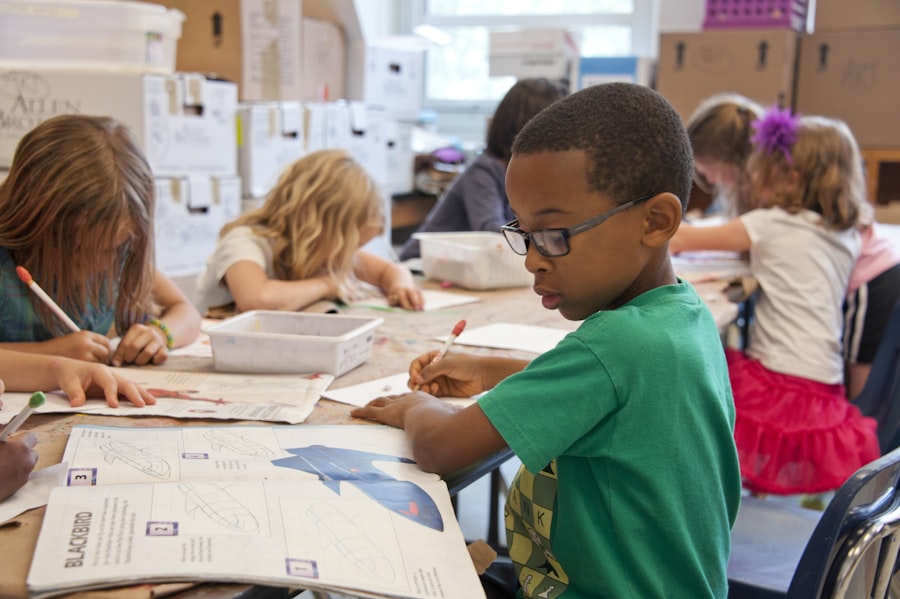
Most structured online programmes, like K8 School or Cyboard School, require 3 to 5 hours of live classes daily. Add 1 to 2 hours of digital assignments, and your child is staring at a screen for up to 7 hours before they even open a YouTube video.
This sounds alarming until you realise a crucial distinction: active learning is not the same as passive scrolling. Interactive lessons, coding, or collaborative project work engage the brain differently than mindlessly watching reels. The goal is managing the *total* load, especially the passive hours.
The 4 Non-Negotiable Rules for Screen Management
You cannot reduce school hours, but you can control how those hours affect your child physically and mentally. Here is the framework:
- The 20-20-20 Rule: Every 20 minutes, they must look at something 20 feet away for 20 seconds. This is non-negotiable for preventing myopia progression.
- The "No Screens in Bedrooms" Policy: Devices charge in the living room overnight. This single rule improves sleep quality more than any blue-light filter.
- The Offline Homework Mandate: Print worksheets when possible. Encourage them to do maths on paper or read physical books instead of PDFs.
- The 1-for-1 Physical Activity Match: For every hour of unstructured entertainment screen time, they need an hour of physical activity or outdoor play.
Tools and Settings That Actually Work
Relying purely on willpower (yours or theirs) is a losing battle. Use technology to manage technology.
| Tool/Setting | Primary Benefit | Best For |
|---|---|---|
| Google Family Link / Apple Screen Time | Sets hard limits on app categories and bedtime downtime. | General boundary setting |
| Blue Light Filters (Night Shift) | Reduces eye strain in the evening; helps preserve melatonin. | Late afternoon/evening use |
| Ergonomic Monitor Setup | Reduces neck and shoulder strain from hunching over laptops. | Full-time online students |
| Dedicated "School Profile" | Separates games/social apps from learning tools on the same device. | Focus during school hours |
If you are evaluating programmes, ask them about their approach. A good curriculum, like those offered by 21K School, will intentionally design off-screen activities into the school day.
"The issue is not just the screen; it is what the screen is replacing. If it replaces sleep, exercise, or face-to-face interaction, that is when we see negative developmental outcomes." — Dr. R. Sharma, Pediatrician.
Dealing with the "But My Friends Are Playing..." Argument
This is the hardest part. When social lives happen on Discord and Minecraft, restricting screens feels like isolating your child. The key here is not a blanket ban, but scheduled social gaming. Allow specific windows (e.g., Friday evenings) for multiplayer games, treating it as a digital playground rather than an all-day right.
If you are struggling with the transition, read our guide on transitioning from mainstream to online school for broader advice on establishing routines.
- How much recreational screen time is okay for online students?
- For students already spending 4-6 hours on school screens, recreational screen time should ideally be limited to 1-2 hours maximum on weekdays, heavily skewed towards active engagement (like coding or creative tools) rather than passive video consumption.
- Do blue-light blocking glasses actually work?
- While they can reduce eye fatigue and help with evening sleep hygiene by blocking melatonin-disrupting light, they do not prevent myopia. The 20-20-20 rule and natural sunlight exposure are far more critical for long-term eye health.
- What if my child needs screens for extracurriculars?
- Categorise extracurriculars (like coding classes or online music lessons) as "active/learning" screen time. While it adds to the total visual load—meaning you must enforce eye rest—it does not carry the same psychological downsides as passive doomscrolling.
Schools mentioned in this guide
- Cyboard School ₹44,900–₹1,05,300 new admission · CBSE-aligned curriculum · NIOS pathway claimed
- K8 School On enquiry · CBSE
- 21K School ₹61,400–₹2,07,800 / yr · Indian NCF · NIOS private candidate · Cambridge · Pearson Edexcel
Ready to compare schools?
Browse online & alternate schools in India and the UAE on Skoolpin.
Find schools