How to Start Unschooling in India: A Practical Guide for the First Year
Thinking about unschooling in India? Learn how to deschool, observe your child's interests, and build a sustainable self-directed learning routine.

So, you have read about unschooling, and it sounds beautiful in theory. Children following their curiosity, learning at their own pace, no rigid timetables. But then Monday morning rolls around, and you are staring at your child, who is staring at a screen, and panic sets in. "What are we actually supposed to *do* today?"
Starting unschooling in India, a country deeply conditioned by the "board exam or bust" mentality, feels like jumping out of a plane and hoping you figure out how to knit a parachute on the way down. But there is a process. It doesn’t involve buying expensive curricula, but it does require a massive mindset shift.
Step 1: The Deschooling Phase (Do Not Skip This)
If your child has been in a conventional school, you cannot start unschooling immediately. You have to deschool first. Think of it as a detox from the external rewards, punishments, and bells of traditional schooling.
A common rule of thumb is one month of deschooling for every year the child spent in school. During this time, there is zero academic pressure. If they want to read comic books for six hours, let them. If they want to build complex Lego structures, great. You are allowing them to remember what it feels like to choose an activity simply because it is interesting, not because it is assigned.
Step 2: Strewing (The Art of Subtle Invitation)
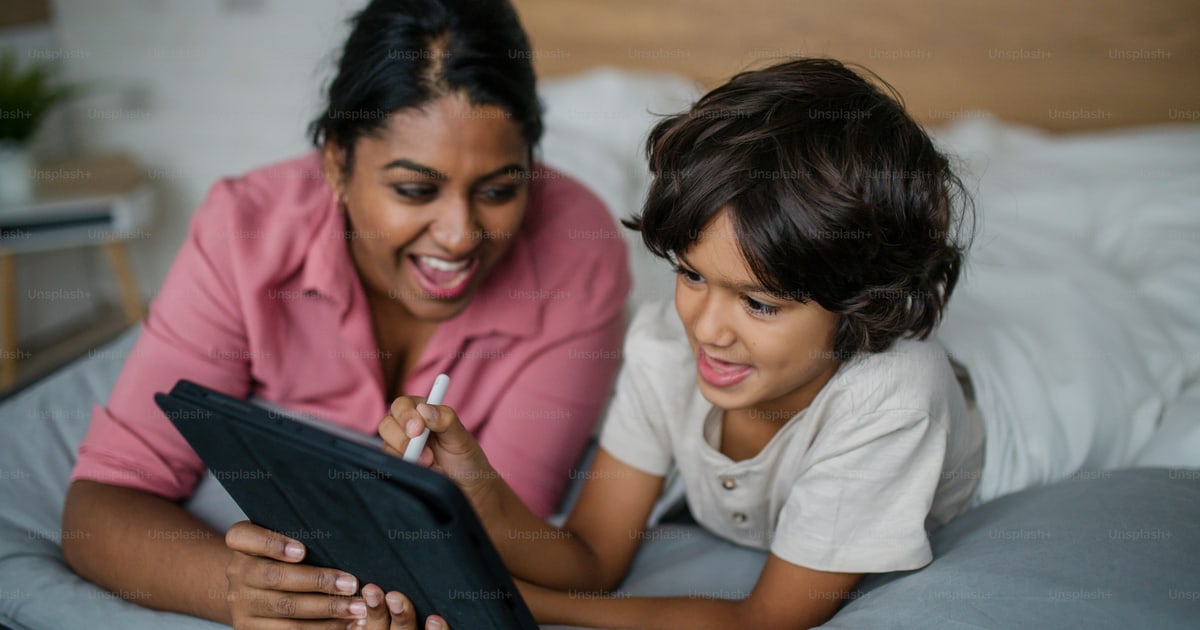
Unschooling is not unparenting. You don’t just sit back and hope they suddenly ask for an algebra textbook. Your job shifts from "teacher" to "facilitator." The primary tool for this is *strewing*.
Strewing means casually leaving interesting things in your child’s path. It could be a new board game, a documentary playing on the TV, a disassembled broken radio, or a book on Indian history. You don’t say, "Sit down and learn this." You just leave it there. If they engage, great. If they ignore it, you quietly pack it away and try something else later. It requires a lot of trial and error without attachment to the outcome.
Step 3: Finding Your People
Unschooling can be incredibly isolating in India, where every auntie wants to know your child’s percentage. You need a community, not just for playdates, but for your own sanity.
Look for local groups in cities like Bengaluru or Pune, where alternative education networks are strong. Join the Swashikshan (Indian Association of Homeschoolers) mailing lists. You need spaces where you don’t have to justify your choices.
Step 4: The Art of Observation and Record-Keeping
Because there is no curriculum, the learning happens in stealth mode. They learn fractions while baking; they learn physics while building a ramp for their toy cars. Your job is to notice it.
Keep a simple journal. At the end of the week, jot down what they engaged with. This is crucial for two reasons: one, it calms your own anxiety when you look back and see how much they actually learned, and two, if they ever decide to transition back to a formal system, you have a portfolio of their learning journey.
The Certification Anxiety
Eventually, the question of board exams will come up. In India, this is surprisingly manageable. When they are older (typically around 14 or 15), unschooled children can prepare for and take the NIOS exams as private candidates. If they are motivated by a goal (like going to college), they can often compress years of formal curriculum into a few months of focused study.
The Takeaway
Starting unschooling is an exercise in trust—trusting that your child is wired to learn, and trusting yourself enough to let go of the control you were taught is necessary. It is messy, it has bad days, and it requires more active engagement from parents than dropping them off at a school gate. But if you can stomach the uncertainty, the result is a child who owns their own education.
- Is unschooling legal in India?
- Yes, homeschooling and unschooling occupy a legal grey area but are not banned. The RTE Act mandates education, but the government currently tolerates home-based alternatives. Parents usually use the NIOS route for formal certification later on.
- How do unschoolers learn maths?
- Initially through real-world applications (cooking, managing money, building). As they get older, if they need advanced maths for a specific goal (like engineering or passing NIOS), they often choose to study it formally using textbooks, tutors, or online platforms.
- What if my unschooled child just wants to play video games all day?
- This is common during the initial "deschooling" phase. It often regulates itself once the novelty wears off. However, unschooling parents still set boundaries and actively "strew" other engaging activities, projects, and outings to broaden the child's interests.
Schools mentioned in this guide
- Swashikshan (Indian Association of Homeschoolers) No tuition fees · Unschooling · Open Learning
Ready to compare schools?
Browse online & alternate schools in India and the UAE on Skoolpin.
Find schools