Sustainability and Nature in Indian Alternative Schools: More Than Just Tree Hugging
How alternative schools in India integrate sustainability and nature into their daily routines. A guide for parents exploring eco-conscious education.

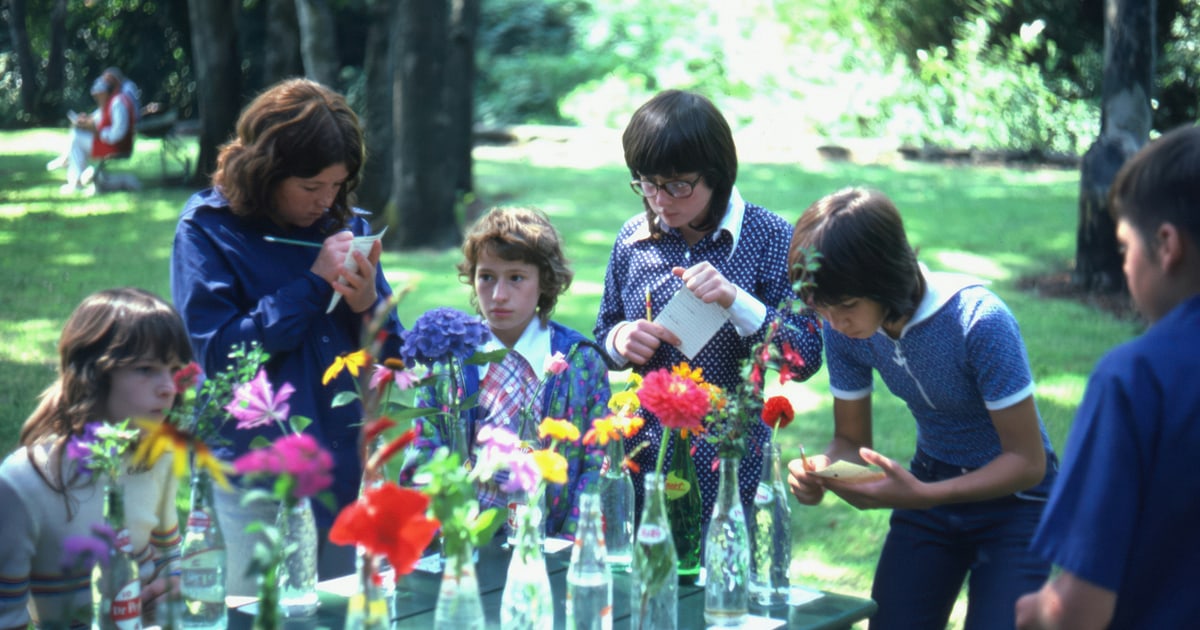
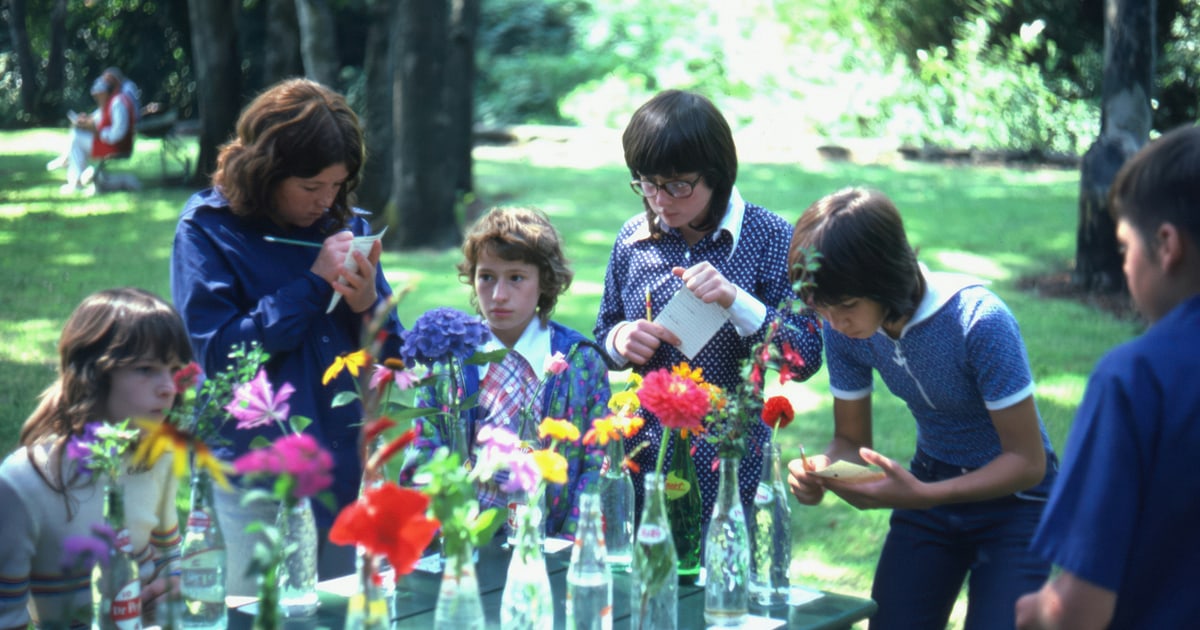
If you visit an alternative school in India, you will likely see a lot of mud, open spaces, and maybe a compost pit. But is the connection to nature just aesthetic, or is it deeply woven into the pedagogy?
For many parents moving away from the concrete campuses of mainstream schools, a connection to the environment is a major draw. Here is what actual sustainability looks like in practice at schools inspired by Waldorf, Krishnamurti, and Gandhian philosophies.
Beyond the Campus Farm
Having a vegetable patch is a start, but true integration goes further. In Krishnamurti schools, for instance, the physical environment is considered a teacher. Students might study local biodiversity for their science projects or participate in campus waste management.
It is about daily habits. Are the cleaning supplies eco-friendly? Is the food sourced locally? Do the children understand the water cycle of their own campus? These are questions to ask during a campus visit.
The Gandhian Influence: Productive Labour
Schools influenced by Gandhian Nai Talim principles take a very practical approach to nature. Manual labour (like spinning, farming, or carpentry) is not an extracurricular activity; it is the medium through which academic subjects are taught. This fosters a deep respect for physical work and the resources required to produce everyday items.
Waldorf Schools: Rhythm and Seasons
In Waldorf schools, the connection to nature is often tied to the rhythm of the year. Festivals celebrate seasonal changes, and natural materials (wood, wool, beeswax) are used almost exclusively in the early years. The aim is to build a sensory connection with the earth before intellectualising environmental issues.
| Philosophy | Key Approach to Nature | Typical Activities |
|---|---|---|
| Krishnamurti | Nature as a teacher for observation and reflection. | Nature walks, campus biodiversity studies, silent observation. |
| Gandhian (Nai Talim) | Productive labour and self-sufficiency. | Farming, spinning, maintaining the campus ecosystem. |
| Waldorf / Steiner | Seasonal rhythms and natural materials. | Seasonal festivals, gardening, crafting with natural elements. |
- Do students at nature-focused alternative schools still learn science and math?
- Yes, but often through hands-on, environmental contexts before moving to abstract concepts.
- Are forest schools popular in India?
- Forest schools are a growing niche, primarily for early years, focusing almost entirely on outdoor, child-led play in natural settings.
Ready to compare schools?
Browse online & alternate schools in India and the UAE on Skoolpin.
Find schools