
Forest Schools in India: Programs, Fees & Safety (2026)
Compare current forest-school and nature-based programmes in India, verified 2026 fees, age ranges, safety checks, weather plans and school recognition.
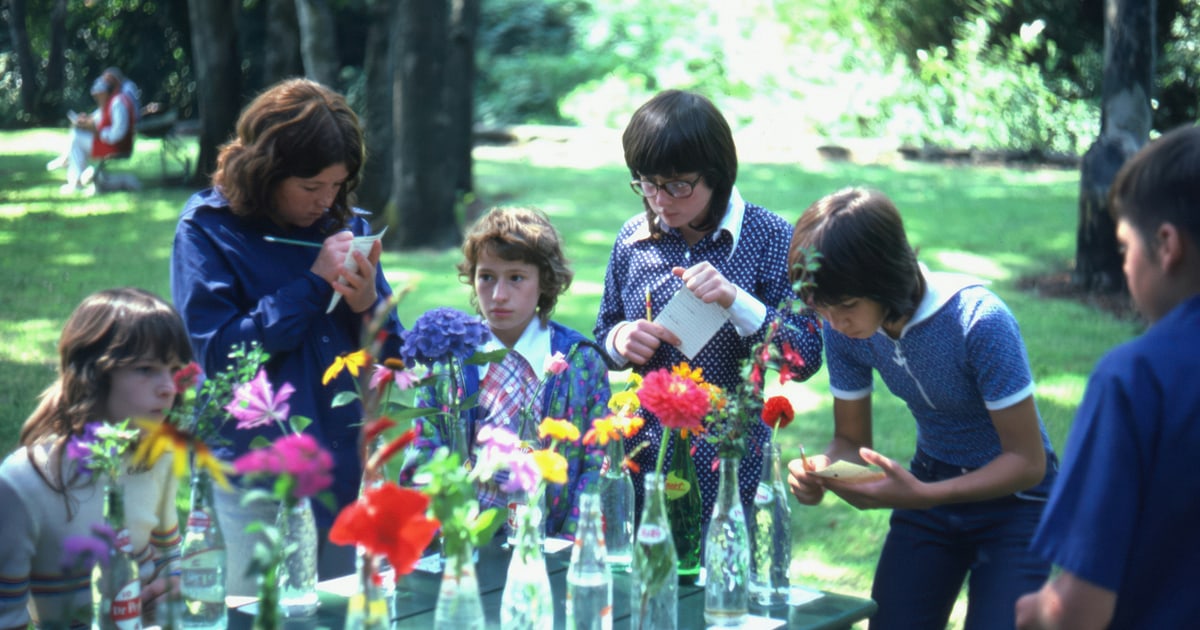
In India, “forest school” currently covers a full-year learning centre, early-years provision, weekend capsules and school trips. Verify the model, recognition, safety plan and total fee; the label alone guarantees none of them.
A child does not need a remote forest to learn from nature. School grounds, gardens, farms, parks and nearby habitats can all support repeated outdoor inquiry. What matters is the programme’s frequency, adult practice, local ecology and connection to an age-appropriate learning plan.
What counts as a forest school in India?
Internationally, forest-school practice usually means regular, repeated, learner-led sessions in a natural setting, with supported risk rather than an occasional picnic. In India, the term is not used consistently. A provider may be a daily learning centre, a preschool with nature-based practice, a weekend enrichment programme or an outdoor contractor hired by schools.
That distinction matters. A two-hour weekend capsule can complement school; it does not supply daily academics or a Class 10 or 12 certificate. A nature-rich preschool can be valuable without being a literal woodland school. A full-year centre still needs to explain its recognition and later examination pathway. Compare the operating model, not the name.
Which forest-school and nature-based programmes currently exist in India?
| Provider or initiative | Verified location | What it currently offers | Age or audience | Public fee position |
|---|---|---|---|---|
| Aashi Forest Skool | Pimple Nilakh, Pimpri-Chinchwad, Maharashtra | Calendar-year parent-child, kindergarten, primary, middle and teen learning programmes; also after-school options | Published bands from 1.5 to 16 years | Dated 2026–27 schedule: ₹80,000–₹1,75,000 by programme |
| Eravoo Centre of Learning | Jayanagar, Bengaluru | Nature- and play-based early-years programmes plus an after-school programme | School-day bands 2–6; after-school page says 3–6 | School-day fee not public; after-school ₹15,000/month for enrolled children, ₹17,500 for others |
| Roots Forest School | Current batch location must be confirmed | Weekend capsules of 3–5 sessions; its own site says it supplements rather than replaces school | 3.5–16 years | Not published on the reviewed page |
| Iora Learning Nature School | Organisation based in Chikalasandra, Bengaluru; programmes use multiple outdoor destinations | Custom experiential programmes for school groups, including nature, agriculture, crafts, treks and community learning | School children; exact cohort set per programme | Not published on the reviewed page |
| Nature Classrooms, Nature Conservation Foundation | Works with educators and schools in India | Locally relevant primary EVS resources, teacher workshops and nature-learning support | Primary schools and educators | Not a child-enrolment school or fee listing |
The table deliberately does not repeat “India’s first” or certification superlatives from provider marketing. It records only the delivery format, published audience, location and fee status that a family can check. Ask whether a named cohort is actually accepting children in your city before planning around it.
What do forest schools cost in India in 2026?
There is no defensible India-wide fee range because the products are not comparable and most reviewed providers do not publish a complete current schedule. Aashi Forest Skool is the useful exception: its admissions page dates the following fees to 2026–27. These are one provider’s advertised programme fees, not a market average.
| Published programme | Age | Published daily timing | Published annual fee |
|---|---|---|---|
| Parent-Child | 1.5–3 | 10:00–12:00 | ₹80,000 |
| Seedlings Forest Kindergarten | 3–6 | 09:00–13:30 | ₹1,35,000 |
| Saplings Primary 1 | 6–9 | 09:00–14:00 | ₹1,40,000 |
| Nature Trailblazers Primary 2 | 9–12 | 09:00–14:00 | ₹1,45,000 |
| Innovators Middle School | 12–14 | 09:00–14:00 | ₹1,50,000 |
| Changemakers | 14–16 | 09:00–14:00 | ₹1,75,000; subject-choice caveat |
Before comparing that fee with a conventional school, request a written total that covers admission charges, deposit, materials, meals, transport, field visits, insurance, examination costs and refunds. A weekend programme should be compared per contact hour and travel day, not against annual school tuition. An unpublished fee means “ask,” not “estimate.”
Does research show that forest school is better?
Research supports taking nature-based learning seriously, but not treating it as a guaranteed upgrade. A 2022 systematic review examined 156 studies across outdoor lessons, camps, gardens and other settings. It found evidence around engagement, social skills, wellbeing and environmental learning; academic results were neutral or positive, with mixed findings in some settings.
The same review rated the average evidence only medium quality, noted little long-term follow-up and warned that much of the research came from North America and the UK. A separate review of 16 forest-school studies involving 1,560 children aged 3–6 found promising developmental and wellbeing results but limited methodological quality. Neither review proves that a particular Indian provider is effective.
India’s National Curriculum Framework for the Foundational Stage independently gives outdoor practice a sound curricular basis: it actively encourages outdoor play for ages 3–8 while making physical and emotional safety paramount. Nature Conservation Foundation’s Nature Classrooms work goes further in a useful direction by connecting local nature to the existing primary EVS curriculum. Nature can be a context for learning, not a substitute for a learning plan.
Which ages are suited to nature-based education?
| Age stage | A credible emphasis | Ask to see |
|---|---|---|
| 1.5–3 | Short sensory, movement and caregiver-child experiences | Caregiver role, toileting, shade, rest, drinking water and toddler-specific boundaries |
| 3–6 | Play, language, movement, observation and gentle routines | How outdoor play connects to language, early numeracy, inclusion and progress documentation |
| 6–12 | Local ecology plus explicit reading, writing, mathematics, science and collaborative projects | Weekly timetable, work samples, learning progression and transition support |
| 12+ | Field inquiry, stewardship, practical projects and increasingly specialised academics | Subject teaching, laboratory access, assessment, records and the exact Class 10/12 pathway |
The right age is therefore less useful than the right dosage and design. A child who needs predictable sensory conditions may benefit from a short trial and gradual participation. A teenager may love ecological fieldwork but still need explicit subject instruction and verified exam logistics. Ask how the programme adapts rather than accepting a claim that nature suits every child in the same way.
How should a programme handle Indian heat, monsoon and wildlife?
“All weather” should never mean ignoring local health advice. India’s National Centre for Disease Control advises avoiding children’s heavy outdoor activity during peak summer hours from noon to 3 pm, using shade and hydration, moving strenuous sessions to cooler times and keeping a contingency and emergency action plan. Ask for the provider’s actual stop-and-move-indoor rules for heat, humidity, lightning, heavy rain and poor air quality.
Monsoon planning must include vector control, not just raincoats. National dengue guidance for schools stresses removing stagnant water, managing weeds or tall grass and using protective clothing. The national snakebite plan advises closed-toe footwear, awareness of local species and habitats, keeping distance and going to an appropriate health facility after a bite. Children should not be taught to catch or kill wildlife.
| Risk area | Evidence a parent should request |
|---|---|
| Land and boundaries | Written permission to use the site; mapped boundaries; road, waterbody, fall and animal hazards |
| Supervision | Maximum group, minimum adults, attendance/head-count system and ratios for tools, water or off-site walks |
| Weather | Written heat, AQI, lightning and heavy-rain thresholds; shade, potable water and usable indoor shelter |
| Medical response | Named first-aider each session, stocked kit, allergies/medicines process, phone coverage, vehicle and nearest suitable facility |
| Vector and wildlife | Weekly stagnant-water check, protective-clothing guidance, local snake protocol and no wildlife handling |
| Child protection | Staff screening, code of conduct, toilet/changing arrangements, complaint route and NCPCR-aligned safety audit |
| Travel and release | Transport responsibility, pickup authorisation, late pickup and missing-child procedure |
How do recognition and board exams work?
The phrase “forest school” does not establish whether a provider is a recognised school, an early-years centre, a learning centre or an enrichment programme. Ask the provider to state its legal and educational status in writing for the grades offered. If it claims a CBSE route, check the named affiliated school and number in CBSE SARAS rather than accepting “CBSE curriculum” as affiliation.
For older learners, ask who maintains records, who registers the Class 10 or 12 candidate, which board issues the certificate, where practicals happen and which examination centre is used. If the route is NIOS, verify current eligibility and subject rules directly and use our NIOS orientation guide before relying on a provider’s summary. This is not legal advice; verify current state and board rules.
A 12-question forest-school visit checklist
- Is this a daily school, early-years centre, learning centre, weekend capsule or school-trip provider?
- Which exact site will this cohort use, and does the operator have written permission to use it?
- How many hours each week are truly outdoors, over how many consecutive weeks?
- What do children learn at this age, and can we see a timetable, work samples and progress records?
- What is the provider’s recognition status, and what document or identifier supports that answer?
- For older learners, who registers board examinations and where do practicals and exams occur?
- What is the maximum group size and minimum number of adults for ordinary and higher-risk activities?
- Which staff member is first-aid trained, and what is the transport time to the mapped medical facility?
- What triggers an indoor move or cancellation for heat, rain, lightning, AQI, mosquitoes or wildlife?
- How are allergies, medication, toileting, inclusion, child protection and parent complaints handled?
- What is the complete annual or cohort cost, including every compulsory extra and the refund policy?
- Can the child attend a normal session and can the family speak privately with current parents?
A polished forest campus is not the same thing as good teaching. Apply the same governance, teacher-continuity, child-support and exit-pathway questions used for any alternative school visit. If recurring peer relationships are part of the goal, also check the practical advice in our homeschooling socialisation guide.
Frequently asked questions about forest schools in India
- Are there forest schools in India?
- Yes, but they use different models. Current examples include a full-year multi-age learning centre, a nature-based early-years school, weekend forest-school capsules and outdoor programmes delivered to school groups. Confirm the exact model and current cohort before treating any listing as a school place.
- How much does a forest school cost in India?
- There is no reliable national range. Aashi Forest Skool publishes 2026–27 annual programme fees from ₹80,000 for its parent-child band to ₹1,75,000 for ages 14–16, with a subject-choice caveat. Most other reviewed providers require a current quotation.
- Are forest schools recognised in India?
- Not automatically. “Forest school” describes an approach or brand, not a recognition document. Ask whether the provider is a recognised school, early-years centre, learning centre or enrichment programme, then verify any claimed board affiliation and Class 10/12 registration route directly.
- What age is best for forest school?
- There is no universal best age. India’s Foundational Stage framework actively encourages outdoor play for ages 3–8, while well-designed nature learning can continue through later years. The curriculum, supervision, duration and academic pathway should change with age.
- Is forest school safe during Indian summer and monsoon?
- It can be managed safely only with local plans. Ask for heat and weather cancellation rules, shade and drinking water, a usable shelter, dengue prevention, closed-toe footwear, a site risk assessment, trained first aid and a mapped emergency transport route.
- Does nature-based education require access to a forest?
- No. Repeated learning can use school grounds, gardens, farms, parks and nearby habitats. A local, accessible site may support more consistent observation than occasional travel to a distant forest. Verify that the operator has permission and a site-specific safety plan.
- Does research prove forest school improves academic results?
- No. Systematic reviews report promising engagement, wellbeing, social, motor and environmental-learning outcomes, while academic findings are mixed or neutral-to-positive. Evidence quality and long-term follow-up are limited, and much of the research comes from outside India.
Ready to compare schools?
Browse online & alternate schools in India and the UAE on Skoolpin.
Find schools