Micro-Schools in India: What They Are and How Much They Cost
A complete guide to micro-schools in India. Learn what they are, how they differ from homeschooling and traditional schools, and what fees to expect.
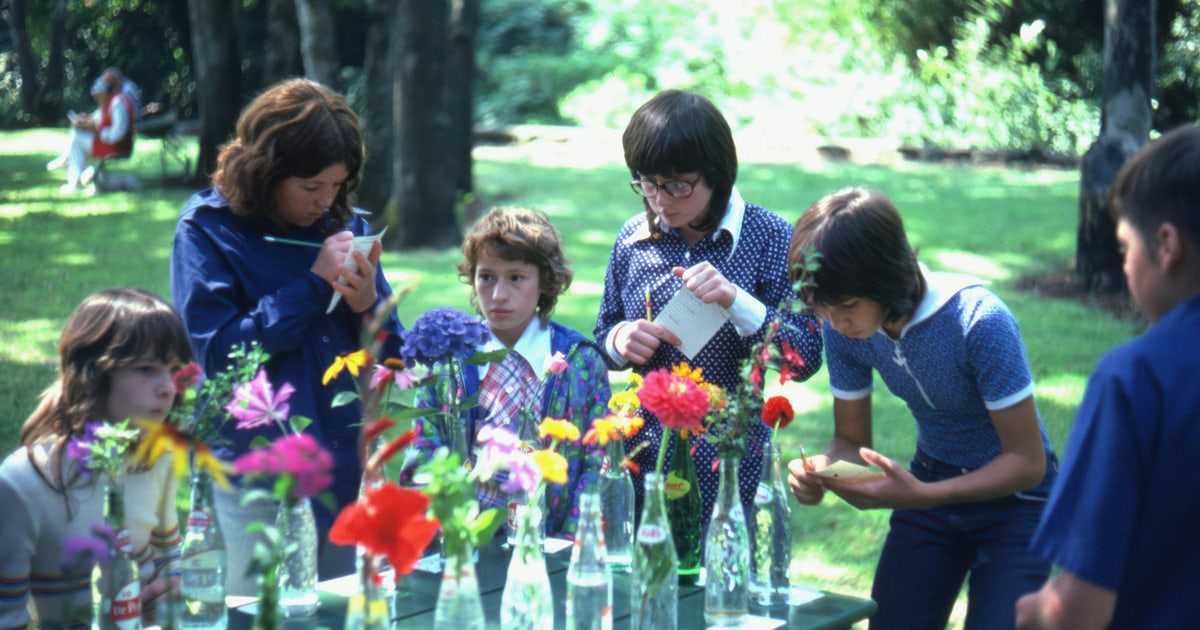
The landscape of education in India is shifting. Between the massive scale of traditional mainstream schools (often with 40+ students per class) and the intensely individualized approach of homeschooling, a new model is quietly gaining traction: the micro-school.
Micro-schools are exactly what they sound like—very small schools. But they aren't just scaled-down versions of traditional schools; they represent a fundamental rethink of how education can be delivered, prioritizing community, flexibility, and personalized learning.
What is a Micro-School?
While there is no strict legal definition in India, a micro-school typically serves anywhere from 10 to 50 students across mixed age groups. They often operate out of rented houses, community centers, or small commercial spaces rather than sprawling purpose-built campuses.
- Size: Intentionally small, often capping enrollment at a few dozen students.
- Mixed-Age Classrooms: Students are usually grouped by ability or interest rather than strict chronological age, similar to a Montessori environment.
- Adult Role: The adults are often referred to as "facilitators" or "mentors" rather than teachers, guiding self-directed projects rather than delivering lectures.
- Curriculum: They often don't follow a rigid state board curriculum in the early years, leaning instead towards project-based learning or emergent curriculums.
How is it Different from a Co-op?
Micro-schools share DNA with homeschooling co-ops (where parents pool resources to teach classes), but there's a key difference: professionalization. While parents might be deeply involved, a micro-school typically hires dedicated facilitators and operates more like a formal institution than a parent-led cooperative.
The Legal and Certification Aspect
Because they are so small, many micro-schools in India operate in a legal grey area regarding the Right to Education (RTE) Act requirements for infrastructure (like playground size). Many function legally as "learning centers" or "tuition centers" rather than formally recognized schools.
When it comes to board exams, students attending micro-schools typically register as private candidates. The most common pathway is the National Institute of Open Schooling (NIOS), followed by Cambridge IGCSE for those seeking an international curriculum. The micro-school provides the learning environment, but the certification is handled independently.
How Much Do Micro-Schools Cost in India?
You might assume that because they lack large campuses and expensive infrastructure, micro-schools would be significantly cheaper than mainstream private schools. This is rarely the case.
Because the student-to-facilitator ratio is extremely low (often 1:5 or 1:8), the cost per student is relatively high. Micro-schools need to pay living wages to experienced facilitators while distributing that cost among a very small number of families.
| Type of Micro-School | Estimated Annual Fee Range (₹) | What drives the cost? |
|---|---|---|
| Parent-initiated (minimal staff) | ₹80,000 – ₹1,50,000 | Shared rent, minimal overhead, lower salaries. |
| Established (dedicated space, trained facilitators) | ₹1,50,000 – ₹3,00,000 | Commercial rent, competitive salaries for specialized facilitators, learning materials. |
| Premium/International focus | ₹3,00,000+ | High-end locations, international curriculum resources, highly specialized staff. |
These figures are estimates for metro cities like Bengaluru, Mumbai, and Delhi NCR. Costs will naturally be lower in tier-2 cities. When comparing costs, it's crucial to factor in that micro-schools rarely have "hidden" fees for uniforms, transport, or mandatory field trips that inflate traditional school bills.
Micro-schools offer the individualization of homeschooling with the social consistency of a small village.
- Are micro-schools legal in India?
- Most micro-schools do not meet the stringent infrastructure requirements (like playground size) to be recognized as formal schools under the RTE Act. They often operate legally as "learning centers." Students usually take board exams like NIOS or IGCSE as private candidates.
- Who are micro-schools best for?
- They are excellent for families who want a highly personalized, flexible education for their child but cannot (or do not want to) take on full-time homeschooling. They also work well for children who get overwhelmed in large, noisy traditional school environments.
Ready to compare schools?
Browse online & alternate schools in India and the UAE on Skoolpin.
Find schools