How Alternative Schools in India Handle Board Exams and College Transitions
A practical look at how students from alternative schools in India tackle board exams (NIOS, IGCSE) and transition successfully to mainstream colleges.
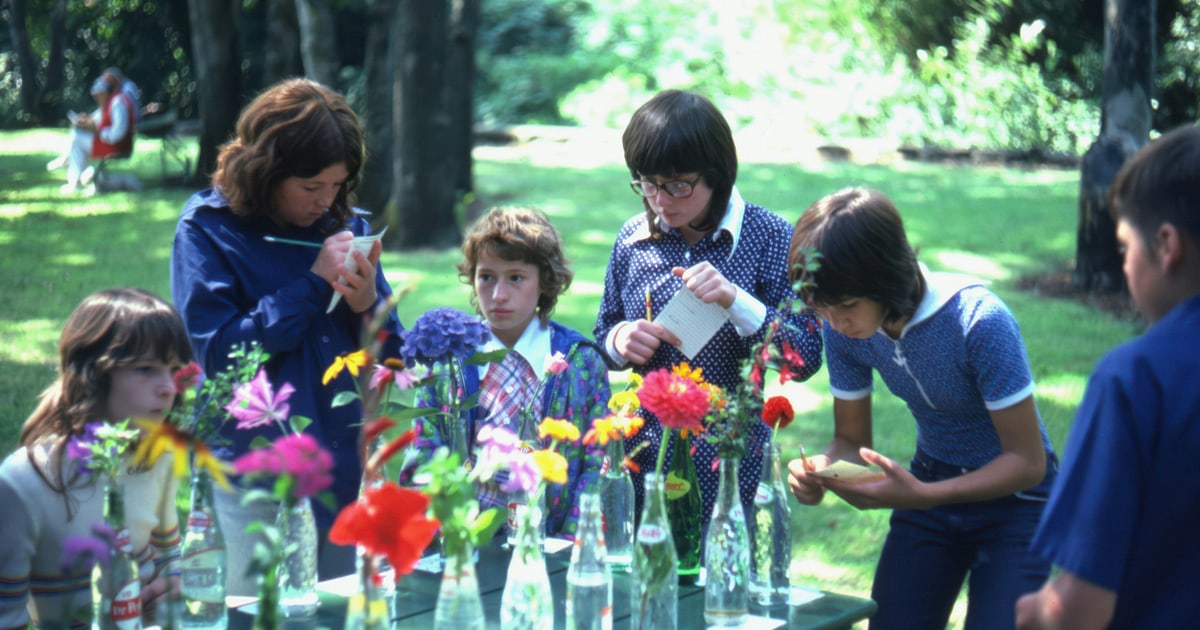
The most common question parents ask when touring an alternative school is also the most anxious one: *"This is all beautiful, but what happens in Class 10? How do they get into college?"* It is a valid concern. If a child has spent their formative years climbing trees, debating philosophy, and avoiding standardized tests, facing the Indian board exam machinery seems like a recipe for disaster.
However, the reality is far less dramatic. Alternative schools in India have established, reliable pathways to navigate the certification requirements of higher education. Here is how they actually handle the transition from holistic learning to formal board exams and college admissions.
The Board Exam Strategy: Delay and Adapt
Unlike mainstream schools that begin exam prep in middle school, alternative setups—such as Waldorf or Krishnamurti schools—typically delay formal testing. The philosophy is to protect the child's innate love for learning during the early years, introducing structured exam prep only when the student is developmentally ready to handle it, usually around Class 8 or 9.
When it is time for certification, alternative schools generally utilise three main pathways:
- NIOS (National Institute of Open Schooling): This is the most common route. The NIOS offers flexibility in subject choices (e.g., combining Physics with Painting) and allows students to write exams at their own pace. Many alternative schools act as accredited study centres for NIOS.
- IGCSE / Cambridge: An increasingly popular choice. The Cambridge curriculum is less rote-heavy than Indian state boards and aligns better with the analytical skills fostered in alternative environments. Students often appear as private candidates.
- Affiliated Boards (ICSE/CBSE): Some established alternative schools (like The Valley School in Bengaluru) are affiliated with the ICSE board. They manage to teach their own curriculum until Class 8, before pivoting to the board syllabus for Classes 9 and 10.
The transition phase is intensive. Students spend 1–2 years learning the specific "game" of the board exam—time management, specific answer formats, and memorisation where necessary. Because they haven't been burned out by years of testing, they often approach this prep with fresh focus.
College Transitions: The Real World Reality
Do alternative school students struggle in college? Often yes, at first — and the honest answer matters more here than a reassuring one. There is no systematic Indian outcome study on this. Nobody has tracked a cohort of alternative-school leavers through Indian higher education and published the results, so anyone who tells you these students definitively do better or worse is going beyond the evidence. What exists is reporting.
The fullest account is a 2019 investigation by Anubhuti Matta in The Swaddle, which interviewed named alumni of Tridha, Riverside, Rishi Valley, Ira and Eklavya. The picture they describe is consistent: classes of eighty where students are "just faces, not names", compulsory attendance after years without it, and questioning that is suddenly unwelcome. Gita Bhalla of V Excel Educational Trust notes that speaking one's mind can be read as an "attitude problem". The adjustment they describe takes a year or two — not a semester.
The expert view in the same piece comes from Dr Samir Dalwai, a developmental paediatrician and director of the New Horizons Child Development Centre. His assessment, in summary, is that these students are accustomed to a community and will in time adapt to more formal systems, because they are still young and flexible — teething problems rather than damage. That framing is useful, but the word doing the work is eventually. Plan for a difficult first year rather than a smooth landing, and treat the transition as something to prepare for explicitly — visiting large campuses, sitting in on lectures, practising deadline-driven work — rather than something that resolves itself.
| Feature | Typical alternative school | Typical Indian college |
|---|---|---|
| Class size | Small groups, often mixed-age | Lectures of 60–80+ |
| Attendance | Rarely enforced | Mandatory, often 75% minimum |
| Questioning | Expected and invited | Can be read as an "attitude problem" |
| Assessment | Portfolios, projects, narrative feedback | Timed written exams and percentages |
| Adjustment period reported | — | One to two years |
If your child's absolute goal is cracking the JEE or NEET, an alternative school is not the optimal path; those exams require years of specialised drilling. For other trajectories the picture is genuinely open: no Indian study has measured how these students fare, and the reporting that exists describes a real adjustment period rather than either failure or an easy landing. Treat the preparation questions above as the useful part, not a reassurance.
- Will colleges accept NIOS certificates from alternative school students?
- Yes. The NIOS is a recognized national board under the Ministry of Education. Its certificates are fully valid for all university admissions in India, including professional courses, and are widely accepted abroad.
- Do alternative schools provide coaching for competitive exams?
- Generally, no. Alternative schools focus on holistic education and foundational understanding rather than test prep. Students wishing to crack competitive exams like JEE or CLAT usually need to arrange external coaching.
- How do international universities view applicants from Indian alternative schools?
- Applications built on portfolios, independent projects and written recommendations fit the US and UK admissions model more naturally than a percentage-only Indian transcript does. That is a structural fit, not evidence of better admission rates — no published data compares outcomes for this group, so treat it as a reason the format suits them rather than a promise.
- Is there any research on how alternative-school students actually do in Indian colleges?
- No systematic study exists. The most substantial reporting is a 2019 piece in The Swaddle interviewing named alumni of five schools, which found an adjustment period of one to two years rather than either failure or effortless success. Anyone citing outcome statistics for this group in India is citing something that has not been measured.
- What should we do in the year before college to make the transition easier?
- Rehearse the specific things that change: sit in on a large lecture, do timed written papers under exam conditions, and practise working to externally set deadlines. The recurring complaint in alumni accounts is not academic difficulty but the shift to anonymity, enforced attendance and unwelcome questioning — all of which are easier to meet if they are not a surprise.
Schools mentioned in this guide
- The Valley School Fees on enquiry · Cambridge IGCSE · ISC
Ready to compare schools?
Browse online & alternate schools in India and the UAE on Skoolpin.
Find schools