Does project-based learning prepare students for board exams in India?
A pragmatic look at whether project-based learning helps or hinders students preparing for NIOS, IGCSE, or CBSE board exams.
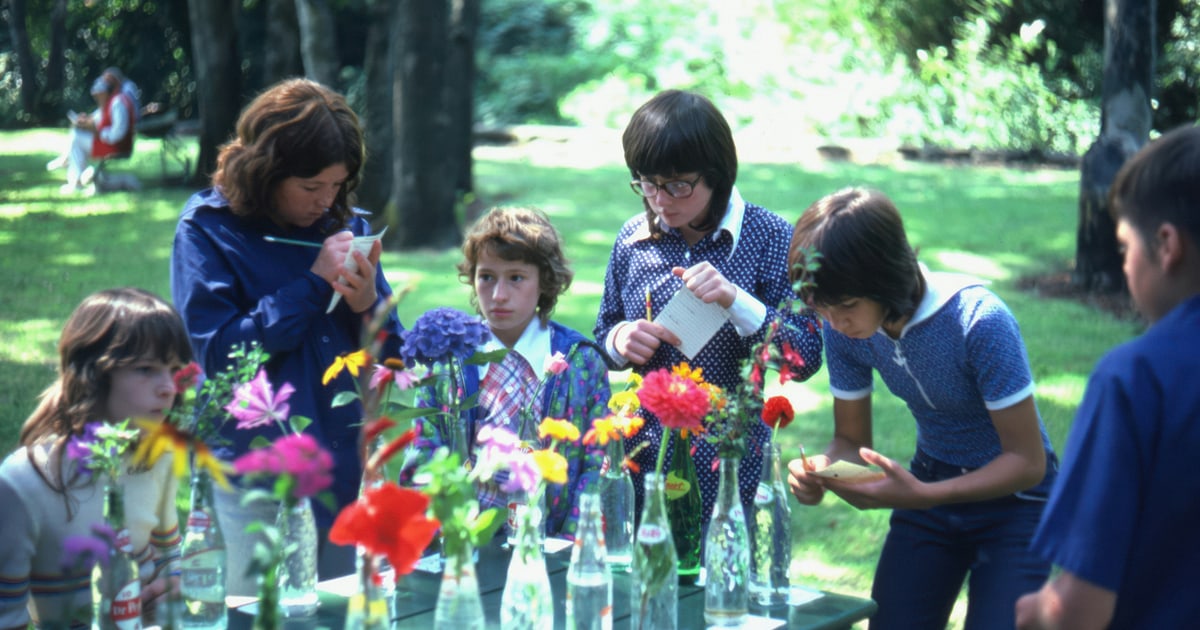
For families embracing project-based learning at home or in alternative schools, the looming reality of board exams (Classes 10 and 12) often causes panic. Project-Based Learning (PBL) focuses on deep inquiry, open-ended exploration, and practical application. Indian board exams—whether NIOS, CBSE, or state boards—largely test rote memorization, speed, and strict adherence to a syllabus.
The fundamental question is: are these two approaches entirely incompatible? Does doing deep, messy projects mean a student will bomb their exams?
The Clash of Paradigms
It is essential to acknowledge the mismatch. A student who has spent six months designing a sustainable water filtration system understands physics and chemistry on a profound level. However, if they haven't practiced the specific format of a 3-mark question on fluid dynamics from the textbook, they might score poorly.
Board exams do not measure intelligence or deep understanding; they measure how well a student can take that specific exam. PBL prepares students for life, university, and problem-solving. It does *not* automatically prepare them for the mechanics of a high-stakes standardized test.
| Skill Area | Developed by PBL | Required by Board Exams |
|---|---|---|
| Information Processing | Synthesizing diverse sources, evaluating credibility | Memorizing specific facts and definitions from a set textbook |
| Problem Solving | Finding novel solutions to unstructured problems | Applying known formulas to structured problems quickly |
| Output | Presentations, portfolios, physical models | Handwritten essays and short answers under time pressure |
The Pragmatic Approach: Pivoting to Exam Prep
Successful homeschooling families and progressive schools don't pretend the mismatch doesn't exist. Instead, they treat exam preparation as its own distinct project. This usually involves a pivot.
For example, a student might engage purely in PBL until Class 9 or the middle of Class 10. Then, they transition to a focused period of traditional exam preparation for NIOS Class 10 & 12 exams or IGCSEs. This period involves solving past papers, learning to write answers to the examiner's rubric, and practicing time management.
Interestingly, students who have a strong foundation in PBL often adapt to this exam prep phase surprisingly well. Because they truly *understand* the underlying concepts, they only need to learn the *format* of the exam, rather than trying to memorize concepts they don't grasp.
- Which board is most compatible with a PBL background?
- Cambridge IGCSE and A-Levels often align better with PBL than Indian national boards, as their exams tend to emphasize application and critical thinking over rote memorization. However, NIOS offers the flexibility of time, allowing a student to continue PBL while taking exams one or two at a time.
- Should we stop all projects during board exam years?
- Many students find they need to scale back significantly to focus on past papers and syllabus completion. However, keeping one low-pressure, passion-driven project going can provide a much-needed mental break from the grind of exam prep.
Ready to compare schools?
Browse online & alternate schools in India and the UAE on Skoolpin.
Find schools