Self-Directed Learning Co-ops in India: How Unschooling Families Share the Load
A guide to unschooling co-ops in India: how families pool resources, share teaching duties, and build vital social communities outside school.
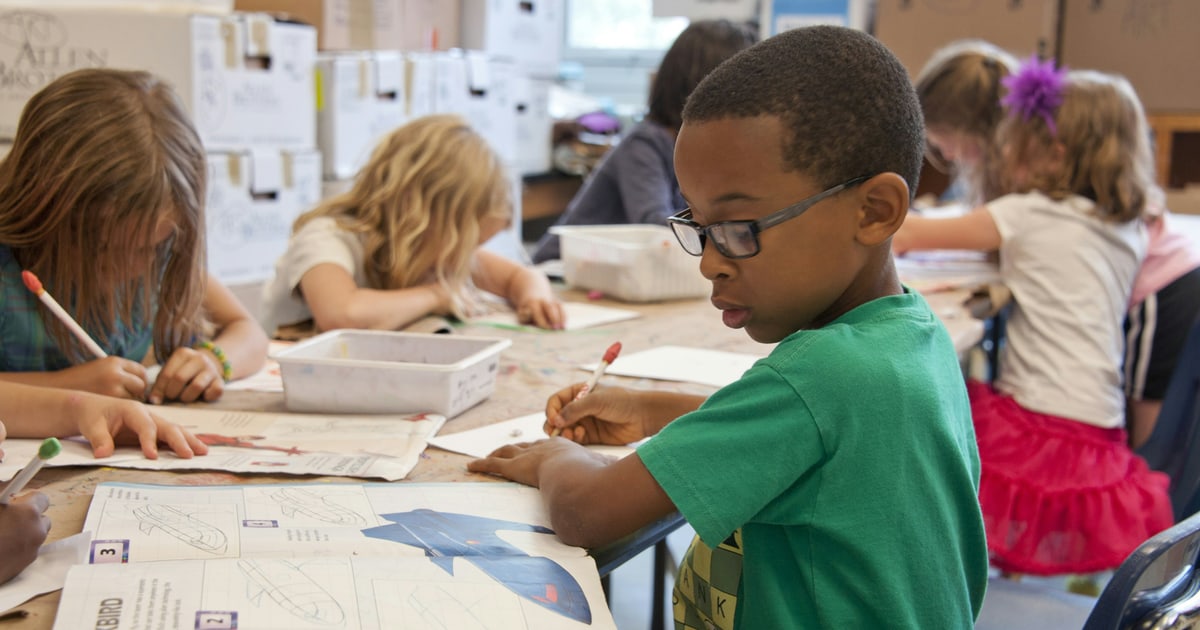
One of the most persistent myths about unschooling is that it requires a single parent to be a polymath—an expert in calculus, history, literature, and art, available 24/7. In reality, successful unschooling in India rarely happens in isolation. It happens in community.
Enter the Learning Co-op (Cooperative). These are informal or semi-formal groups where families pool their time, skills, and resources to support self-directed learning and, crucially, to socialise.
How Unschooling Co-ops Work in India
A co-op can be as simple as three families meeting at Cubbon Park in Bengaluru every Tuesday, or as complex as a rented space in Delhi with a schedule of parent-led workshops. The defining feature is that they are run *by* the parents, *for* the children, usually without a rigid overarching curriculum.
| Type | Structure | Best For |
|---|---|---|
| The Park Meetup | Highly informal. Weekly gatherings at a public park or museum. | Socialisation, free play, younger children. |
| The Skill Share | Parents take turns running short workshops (e.g., pottery, coding, cooking). | Exposure to new interests, structured social time. |
| The Project Pod | A small group of teens meeting to work on a specific shared goal (e.g., a robotics competition or a play). | Deep dives, teenagers, project-based learning. |
| The Resource Centre | A physical space (often rented jointly) with a library, art supplies, and maker tools. | Families who need a "third space" outside the home. |
The Benefits of Sharing the Load
The primary benefit of a co-op is offloading the pressure. If you are terrible at math but a brilliant baker, you can teach a fraction-based baking class while another parent, who is an engineer, takes the kids who want to build a drone.
Furthermore, it provides a vital peer group. For older unschoolers, finding friends who share their unconventional schedule can be difficult. A co-op provides a built-in community. It’s a similar dynamic to the cohort-based models seen in platforms like StayQrious, but organised at a grassroots level.
Challenges (The Honest Version)
It is not always utopia. Co-ops in India often face specific hurdles:
- Burnout: Because they rely on volunteer parent energy, they can collapse if one or two "driver" parents step back.
- Differing Philosophies: Even within "unschooling," parents have different boundaries regarding screen time, conflict resolution, and safety. Disagreements over how to handle a playground dispute can fracture a group.
- Logistics: In cities with brutal traffic like Mumbai or Bengaluru, just getting to the co-op can take two hours.
How to Find (or Start) a Co-op
You won't find these in the phone book. The best way to find a co-op is to plug into the national network, Swashikshan (the Indian Association of Homeschoolers). Attend their annual meetups or join their city-specific WhatsApp and Facebook groups.
If there isn't one near you, start one. It only takes two families to form a co-op. Post in a local parenting group that you are looking for other self-directed learners to meet at a specific park next Thursday. Start small, keep expectations low, and let it grow organically.
- Do parents pay to join a co-op?
- Usually, no. True co-ops run on an exchange of time and energy, not money. However, families might split the cost of materials (like renting a sports field or buying art supplies) or chip in for a specialised external tutor.
- Is a co-op the same as a micro-school?
- No. A micro-school usually charges tuition, has hired teachers, and follows some form of curriculum or defined pedagogical approach. A co-op is parent-led and usually free.
- Do children have to attend every session?
- In a true unschooling co-op, attendance is voluntary. If a child is deeply engrossed in a project at home, they shouldn't be forced to attend the co-op just because it's Tuesday.
Ready to compare schools?
Browse online & alternate schools in India and the UAE on Skoolpin.
Find schools