Reggio Emilia Inspired vs Traditional Preschools in India
Compare Reggio Emilia inspired preschools with traditional Indian preschools on curriculum, environment, and how they view early childhood learning.
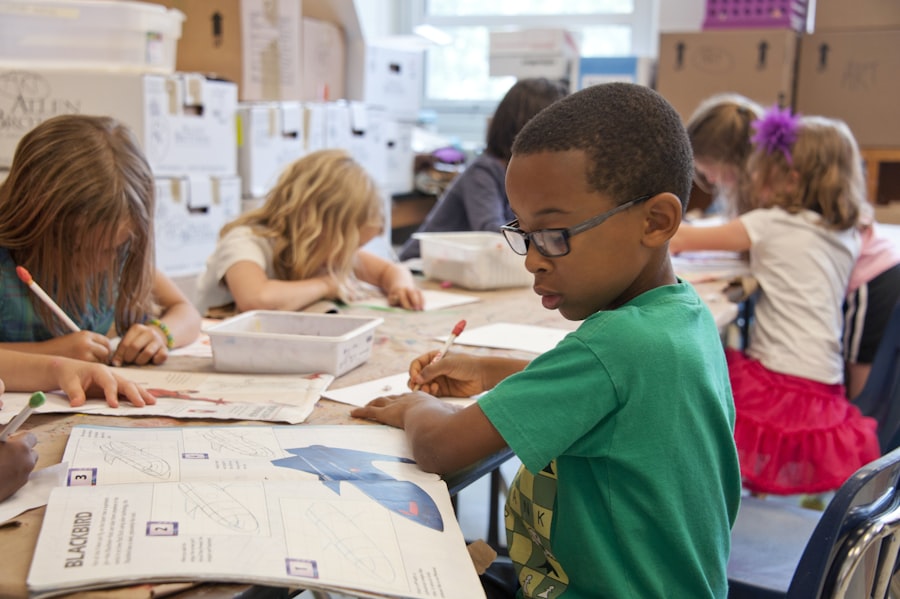
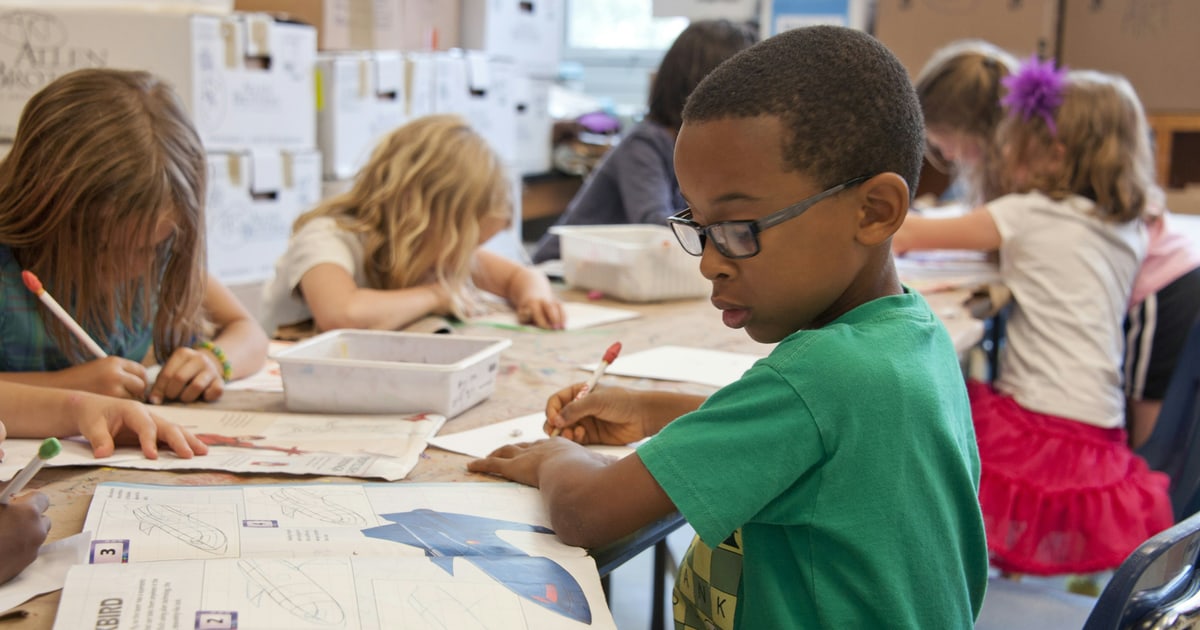
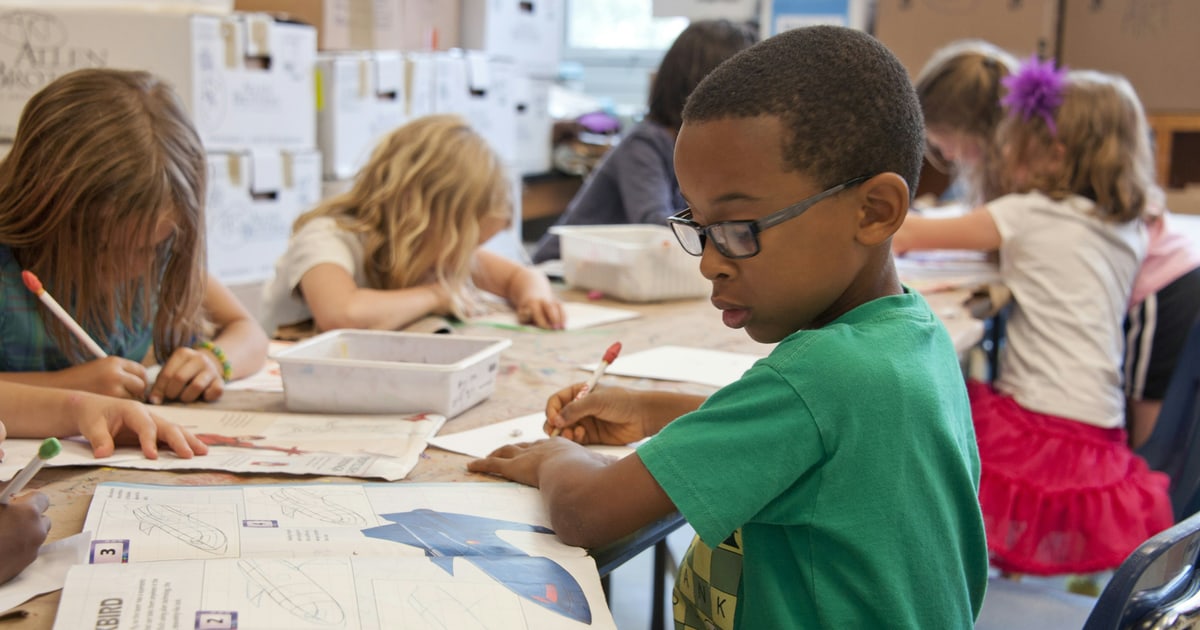
Traditional preschools focus on early academics, rote learning, and preparing toddlers for primary school interviews. Reggio Emilia inspired schools view the child as capable, using the physical environment as a "third teacher" to guide project-based, experiential learning.
Indian parents have long treated preschool as a high-stakes training ground for Class 1 admissions. However, as awareness of early childhood psychology grows, many are rejecting the flashcards-and-worksheets model. The Reggio Emilia approach, originating in Italy, offers a stark contrast. Let us break down exactly how these two environments differ for your three-year-old.
The View of the Child
In a traditional Indian preschool, the child is often seen as an empty vessel waiting to be filled with knowledge (alphabets, numbers, rhymes). The teacher directs the learning, and success is measured by how quickly a child can recite the alphabet or colour within the lines.
Reggio Emilia flips this. The philosophy believes children have "a hundred languages" (ways of expressing themselves). The child is viewed as a competent co-constructor of knowledge. If a group of children shows an interest in shadows, the teacher doesn’t pull out a textbook; they bring out flashlights and let the children investigate.
In traditional models, we teach the curriculum. In Reggio, we teach the child. The shift is from asking "What should they know today?" to "What are they curious about today?" — Dr. Anjali Mehta, Early Childhood Educator (The Hindu, 2023)
Curriculum and Environment
The most visible difference is the classroom itself. Traditional classrooms are often loud, plastered with commercial posters, and filled with plastic toys. Reggio classrooms are designed to be calming, using natural light, muted colours, and open-ended materials (clay, loose parts, mirrors). This environment is explicitly designed to be the "third teacher," alongside parents and educators.
| Feature | Traditional Preschool | Reggio Emilia Inspired |
|---|---|---|
| Curriculum | Pre-planned, rigid, subject-based | Emergent, fluid, project-based |
| Materials | Worksheets, plastic toys, flashcards | Natural materials, clay, light tables |
| Teacher’s Role | Instructor and disciplinarian | Observer, documenter, co-learner |
| Assessment | Testing, grades, standardized checklists | Portfolios, documentation panels, observation |
The Cost and Reality in India
True Reggio Emilia schools are rare; most in India are "Reggio-inspired." Because the approach requires highly trained facilitators, low student-teacher ratios, and premium materials, these schools are almost exclusively found in Tier 1 cities and command high fees.
For parents who cannot access a Reggio school, understanding these principles can still inform how they set up play spaces at home or approach early years homeschooling.
Making the Choice
If your primary goal is ensuring your child clears a rigorous interview for a mainstream ICSE/CBSE school, a traditional preschool might align better with that pragmatic reality. However, if you are looking into alternative schools in India or plan to homeschool, a Reggio-inspired foundation builds the curiosity and independent thinking those pathways require.
| Pros | Traditional Preschool | Reggio Emilia Inspired |
|---|---|---|
| Advantage 1 | Familiar to most parents | Fosters deep creativity and problem-solving |
| Advantage 2 | Often cheaper and widely available | Highly individualized attention |
| Advantage 3 | Preps specifically for mainstream Class 1 | Builds strong emotional intelligence |
- Will my child learn to read in a Reggio Emilia preschool?
- Yes, but not through forced drills. Literacy is integrated into projects. If children are building a post office, they learn to write letters and read names organically.
- Is Reggio Emilia the same as Montessori?
- No. While both respect the child, Montessori has very specific, structured materials and a more individualized approach. Reggio focuses heavily on collaborative, group-led projects and open-ended art. Read our Reggio vs Montessori comparison for details.
- Are Reggio schools recognised by the Indian government?
- Preschools in India do not require formal board affiliation. Reggio-inspired schools operate completely legally under early childhood education guidelines.
Ready to compare schools?
Browse online & alternate schools in India and the UAE on Skoolpin.
Find schools