Reggio Emilia Inspired Schools in India: What Parents Should Know
A guide to Reggio Emilia inspired schools in India: the philosophy, Indian context, and what parents need to know before choosing this path.

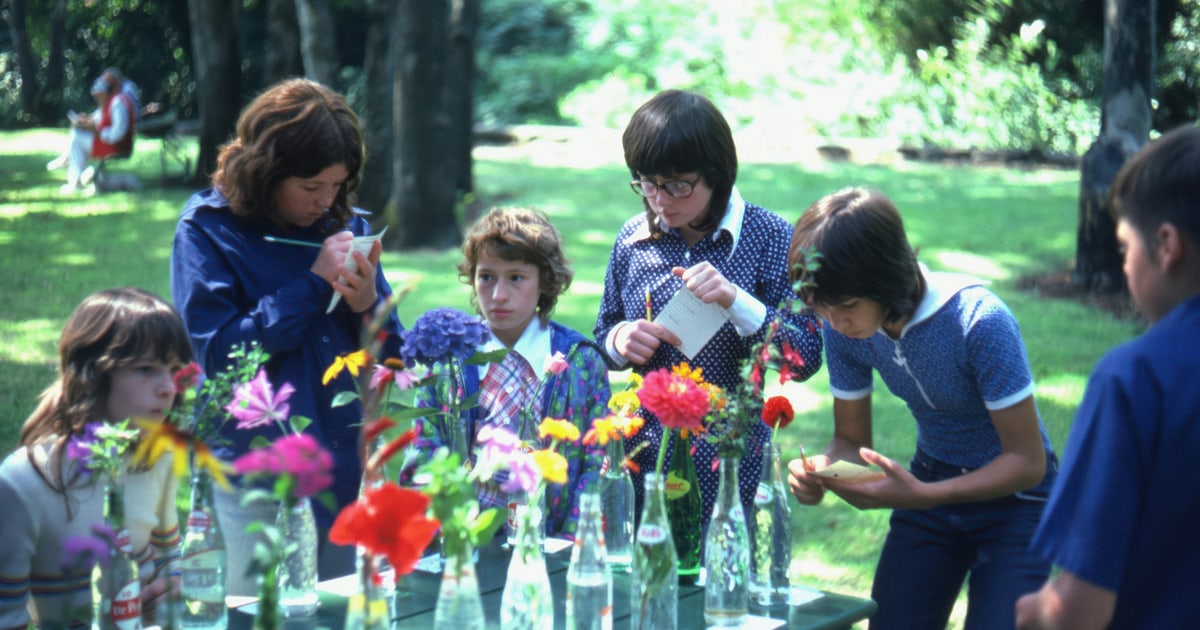
Imagine a classroom where the environment is considered the "third teacher," where children lead the projects based on their curiosities, and where documentation of learning looks more like an art exhibition than a report card. This is the essence of the Reggio Emilia approach, an educational philosophy originating from Italy that has been quietly gaining traction in India’s alternative education landscape.
What is the Reggio Emilia Approach?
Unlike Montessori, which has a specific, structured curriculum and specialized materials, Reggio Emilia is an approach rather than a rigid method. It’s built on the belief that children are inherently capable, curious, and full of potential. The curriculum is emergent—meaning it develops organically from the children's interests rather than being pre-planned by the teacher.
For Indian parents accustomed to the structured progression of CBSE or ICSE boards, this can initially feel chaotic. However, schools drawing inspiration from this approach often find ways to blend child-led exploration with the necessary milestones expected in the Indian context.
The "Inspired" Distinction in India
It is crucial to understand that there are no "certified" Reggio Emilia schools outside of Reggio Emilia, Italy. The Loris Malaguzzi International Centre, which oversees the philosophy, only recognizes schools in that specific municipality. Therefore, schools in India are correctly termed "Reggio-inspired."
This means the quality and implementation can vary wildly. Some alternative schools might fully embrace the philosophy, investing heavily in teacher training and the physical environment, while others might simply use the term as a marketing buzzword.
| Feature | Mainstream (e.g., CBSE) | Reggio-Inspired | Montessori |
|---|---|---|---|
| Curriculum | Pre-defined by board | Emergent, child-led | Structured, developmental |
| Environment | Functional, teacher-centric | The "third teacher," aesthetic, natural | Prepared, child-sized materials |
| Documentation | Exams, report cards | Portfolios, photos, transcripts of conversations | Observation notes, progress reports |
| Teacher Role | Instructor, guide | Co-learner, collaborator | Observer, director |
What to Look for During a Campus Visit
When evaluating a Reggio-inspired school in cities like Bengaluru, Mumbai, or Delhi, look beyond the marketing brochure. Observe the environment: is it filled with natural light, open spaces, and natural materials? Look at the documentation on the walls—does it tell a story of a long-term project, or is it just identical crafts made by 30 different children?
Most importantly, ask about teacher training. The role of the teacher in this approach is complex; they must be skilled at listening, observing, and provoking further inquiry rather than just delivering information. Since there is no standardized certification, ask the school how they train and support their educators.
- Is Reggio Emilia only for preschool?
- While it is most commonly associated with early childhood education (ages 0-6), the principles can and are applied to primary and middle school levels, although this is less common in India where parents often shift to more traditional boards as board exams approach.
- How do Reggio-inspired schools handle board exams in India?
- Most Reggio-inspired schools that go up to higher grades will transition students into preparing for open boards like NIOS or international boards like IGCSE, which offer more flexibility for private candidates.
- Are Reggio-inspired schools expensive?
- Generally, yes. The emphasis on high-quality materials, aesthetically pleasing environments, and low student-teacher ratios means these schools often charge fees comparable to or higher than top-tier international schools in Indian metros.
Ready to compare schools?
Browse online & alternate schools in India and the UAE on Skoolpin.
Find schools