Project-based learning in online schools in India: does it really happen on a screen?
Can project-based learning (PBL) survive the transition to an online environment? How Indian online schools are attempting to bridge the gap.
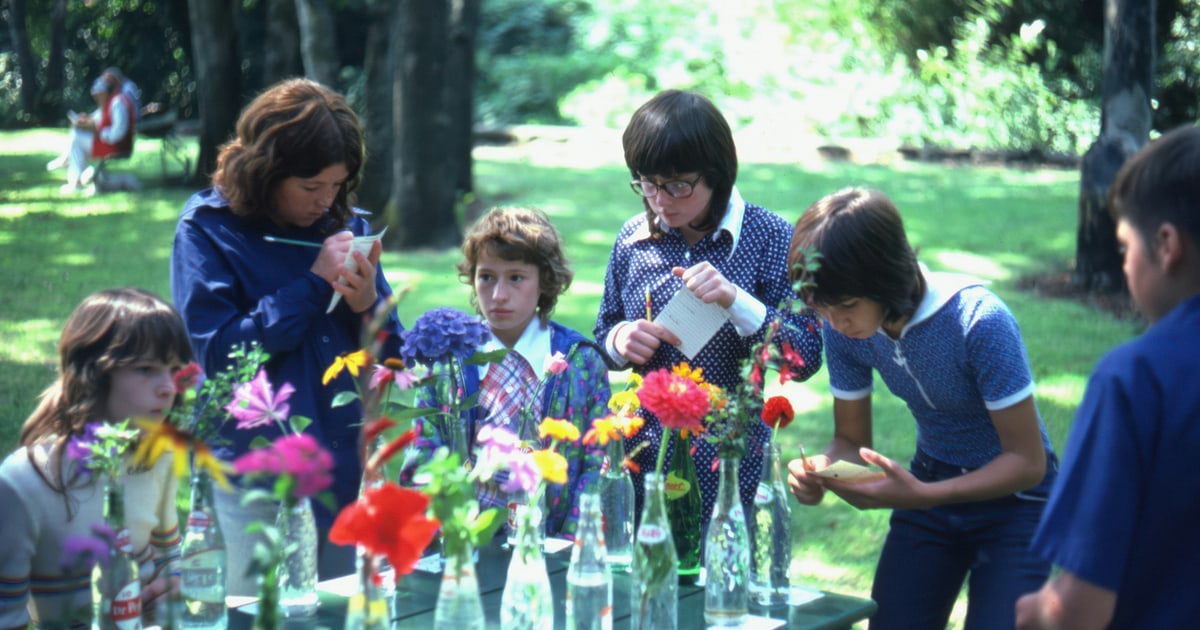
Project-based learning (PBL) is inherently tactile. It usually involves building, collaborating in small groups, and engaging with the physical world. So, when online schools in India advertise their curriculum as "project-based," parents are rightly skeptical. How do you build a prototype or conduct a community survey entirely through a Zoom window?
The Challenge of Virtual PBL
The risk with online PBL is that it devolves into glorified research assignments. A student is asked to create a PowerPoint presentation about the water cycle and present it to the class. While this involves some independent work, it lacks the depth, iteration, and real-world application of genuine PBL.
True PBL requires sustained inquiry. It’s not just about looking up facts; it’s about solving a problem. Translating this to an online environment requires deliberate pedagogical design, not just moving a worksheet to a Google Doc.
How Some Schools Are Adapting
Despite the challenges, some online schools are finding creative ways to implement PBL:
- **Local Action, Global Connection:** Students might be tasked with a project that requires them to investigate a problem in their own local community (e.g., waste management) and then collaborate online with peers across India to compare data and propose solutions.
- **Digital Creation Tools:** Schools leverage advanced software for coding, 3D modelling, or video production, allowing students to create complex digital artifacts rather than physical ones.
- **Flipped Classroom Models:** Direct instruction is delivered asynchronously (via recorded videos), freeing up live class time for collaborative problem-solving and teacher feedback on projects.
| Aspect | Physical School PBL | Online School PBL |
|---|---|---|
| Collaboration | In-person, spontaneous, tactile | Scheduled, mediated by software (Miro, Google Workspace) |
| Outputs | Physical models, live presentations | Digital portfolios, coded apps, recorded pitches |
| Resource Access | School library, lab equipment, art supplies | Internet research, home-sourced materials, virtual labs |
What to Look For
When evaluating an online school’s claim of using PBL, ask for examples of past projects. Look for evidence that the projects required critical thinking, collaboration, and resulted in a product that solved a genuine problem, rather than just regurgitating information. A strong PBL program will often help students build a robust learning portfolio.
- Is online PBL effective for younger children (primary school)?
- It is significantly harder. Younger children rely more on physical manipulation and sensory experiences for learning. Online PBL for early years often requires heavy parental involvement to facilitate the physical components at home.
- Do online PBL projects prepare students for traditional exams?
- PBL develops strong critical thinking and research skills, which are valuable. However, if a student is preparing for highly competitive, rote-memorization-heavy exams, they may need supplementary traditional study methods.
Ready to compare schools?
Browse online & alternate schools in India and the UAE on Skoolpin.
Find schools