Online Schooling for Young Athletes and Artists in India: Balancing Academics and Training
How Indian child athletes, actors, and musicians use online schools to balance grueling training schedules with a recognized academic curriculum.
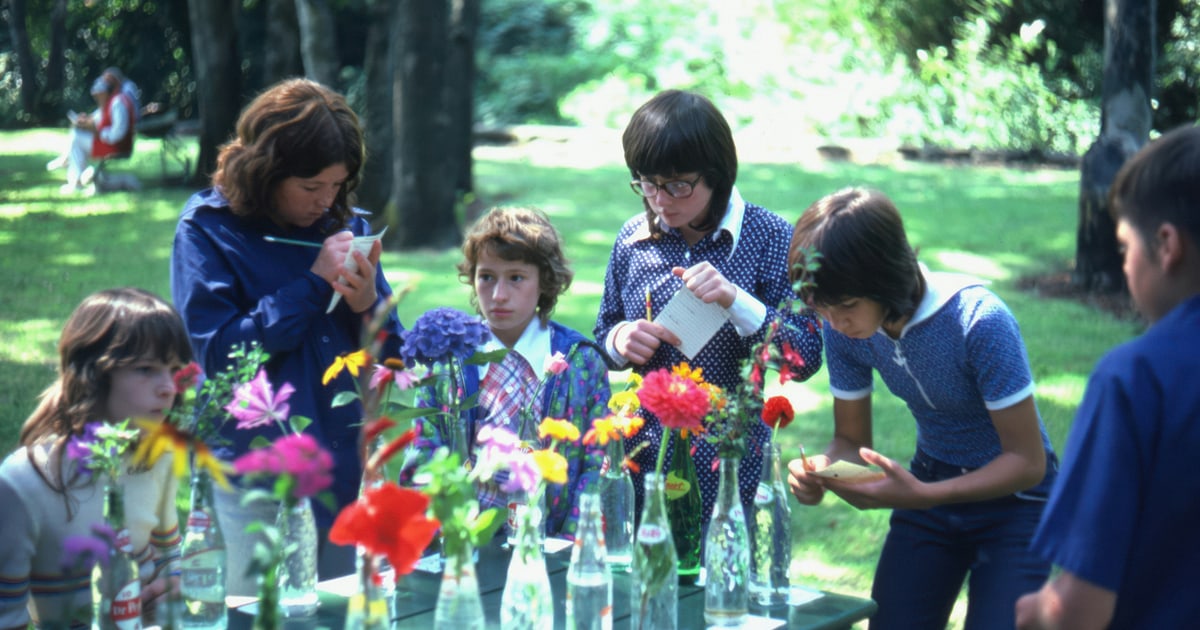
For a child seriously pursuing professional sports, classical music, or acting in India, the traditional school system quickly becomes the enemy of progress. When swimming practice requires waking up at 4:30 AM, or a tennis tournament requires two weeks of travel, the rigid 8-to-3 school day is impossible to maintain. Previously, families either had to compromise on the child's passion or pull them out to homeschool entirely. Today, online schools in India are offering a crucial middle ground.
The Problem with Traditional "Sports Quotas"
While many mainstream Indian schools boast about their sports facilities, few actually accommodate elite training schedules. A school might offer a "sports quota" for admission, but they still expect 75% attendance. Missing a month for a national tournament often means missing crucial syllabus coverage, leading to immense stress and poor academic performance. The child ends up exhausted, trying to serve two masters.
How Online Schools Solve the Schedule Conflict
Online schools fundamentally decouple learning from location and rigid timetables. This is a game-changer for student-athletes and performers.
- Asynchronous Learning: Many online platforms allow students to watch recorded lectures and complete assignments on their own time. A child can train in the morning, rest, and complete their math module at 8 PM.
- Location Independence: Whether they are at a training camp in Pune, shooting a film in Mumbai, or competing in a tournament abroad, their school travels with them on their laptop.
- Fewer "Wasted" Hours: Online schooling cuts out the commute, assemblies, and the downtime inherent in managing a classroom of 40 kids. What takes 6 hours in a traditional school can often be accomplished in 3 focused hours online.
Choosing the Right Online Model
Not all online schools are suited for rigorous training schedules. If an online school merely replicates the traditional timetable (mandating 6 hours of live Zoom classes daily), it solves the location problem but not the schedule problem. Families need to look for platforms that lean heavily on recorded classes and asynchronous work.
Board affiliation is another critical factor. Many young athletes opt for online schools affiliated with NIOS or international boards like Cambridge, as these offer more flexibility in exam scheduling and subject choices compared to the rigid timelines of CBSE or ICSE.
For a child athlete, energy is the most precious resource. Online schooling allows them to direct that energy toward their training, rather than burning it on a school bus commute.
- Will attending an online school affect my child's college admissions?
- No, provided the online school offers a recognized board certification (like NIOS, Edexcel, or Cambridge) or prepares them to take these exams as private candidates. In fact, top universities often look favorably upon students who have demonstrated the discipline to excel in a high-level extracurricular while managing their academics independently.
- Do online schools provide physical education?
- While some offer theory classes on health and nutrition, practical physical education is obviously limited. For student-athletes, this isn't an issue as their primary training covers this requirement. For others, parents need to ensure physical activity happens outside "school" hours.
Ready to compare schools?
Browse online & alternate schools in India and the UAE on Skoolpin.
Find schools