Homeschooling an Only Child in India: Socialisation & Strategy
Is homeschooling a single child practical in India? How to handle socialisation, prevent burnout, and build a community for an only child outside school.
The core answer: Yes, homeschooling an only child in India is increasingly common, particularly in metro cities. The biggest concern—socialisation—is solved by joining local co-ops, hobby classes, and unschooling networks rather than relying on school corridors. However, it demands intense parent involvement, making community building essential to prevent burnout.
A frequent question we hear from parents in Bengaluru and Pune is: "I have one child. If we homeschool, won't they be lonely?" It's a fair fear. Without siblings to argue with or classmates to share lunch with, the pressure seems to fall entirely on the parents. But the reality of homeschooling an only child in India is often more vibrant than the school system allows.
1. The Socialisation Question
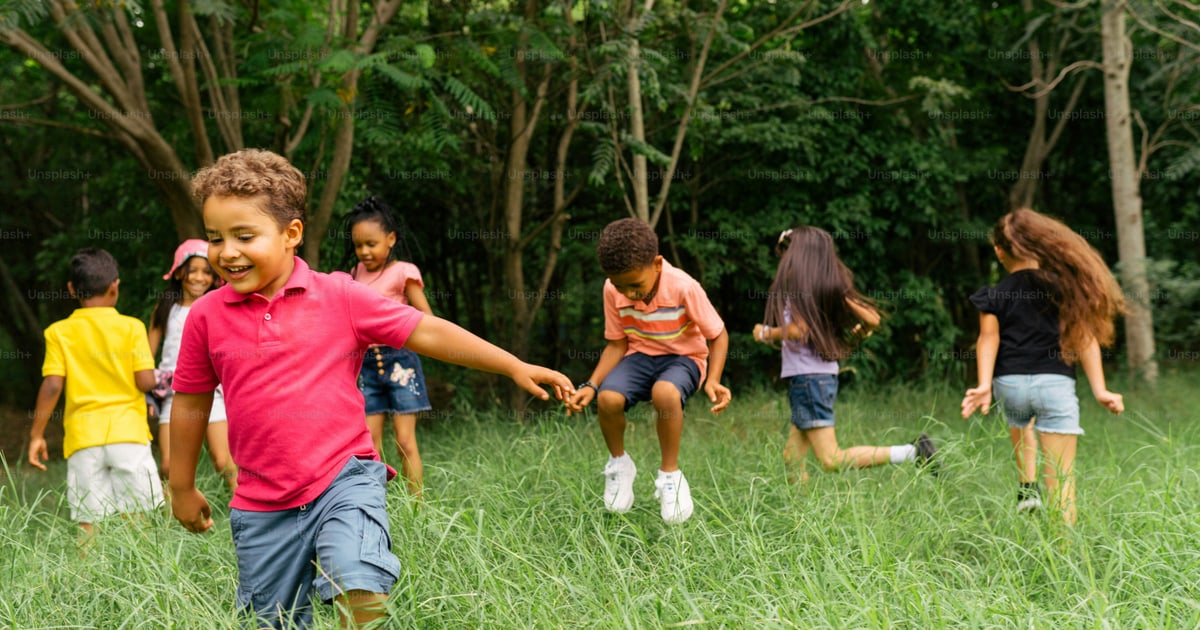
School socialisation is often age-segregated and forced. Homeschooled only children tend to socialise differently: they interact with adults, teenagers, and younger children naturally. In India, parents of only children actively engineer this by forming local "co-ops" where 4-5 families meet multiple times a week.
2. Parent Burnout and the 24/7 Problem
The real challenge isn't the child's loneliness; it's parent burnout. With one child, you are their primary playmate, teacher, and disciplinarian. This is where homeschooling with a full-time job becomes particularly tricky. The solution is outsourcing and setting boundaries. Many parents in India use platforms like StayQrious for math or science, not just for the academics, but to give the child a structured, independent learning block that doesn't require parent supervision.
3. Financial and Logistic Realities
Financially, homeschooling one child is highly manageable compared to paying private school fees in a metro city. The savings from avoiding a ₹2 Lakh/year school fee can easily fund diverse extracurriculars, travel, and high-quality online courses.
| Expense Type | Estimated Monthly Cost (Metro India) | Notes |
|---|---|---|
| Curriculum / Books (NIOS/NCERT) | ₹500 - ₹1,000 | Basic textbooks are inexpensive; NIOS registration is ~₹3,000 per block. |
| Extracurriculars (Sports/Arts) | ₹3,000 - ₹8,000 | Crucial for only children to meet peers. |
| Online Tutors / Platforms | ₹2,000 - ₹5,000 | Reduces parent workload and provides expert instruction. |
| Co-op / Field Trip Contributions | ₹1,000 - ₹2,000 | Varies widely based on the parent community. |
- Is it harder to homeschool an only child?
- It requires more intentional planning for socialisation and independent play, but it allows for highly personalized learning and avoids the challenge of juggling different grade levels simultaneously.
- How do only children learn to share without siblings or classmates?
- Through intentional community involvement. Sharing and conflict resolution are taught in park meetups, sports teams, and local homeschool co-ops, often with more direct adult guidance than on a crowded school playground.
Ready to compare schools?
Browse online & alternate schools in India and the UAE on Skoolpin.
Find schools