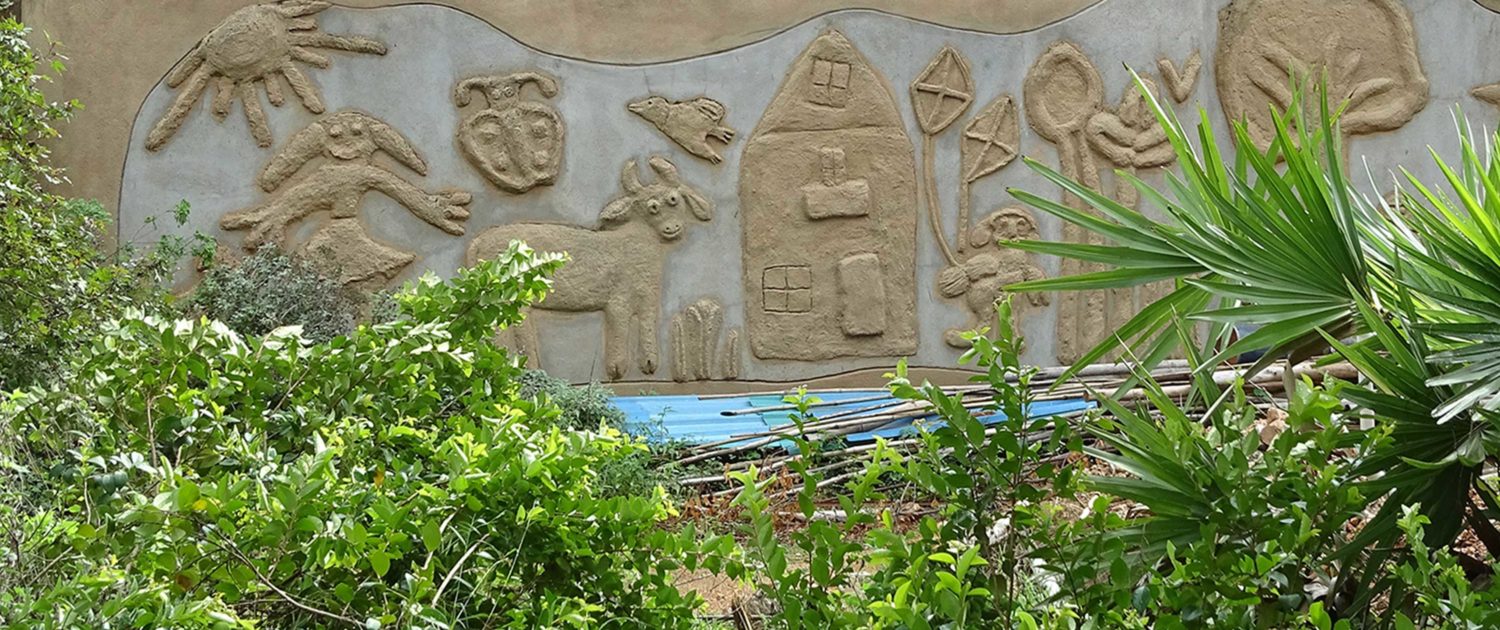
Marudam Farm School is an alternate school serving families in India. A land-based alternative school on a 12-acre organic farm below Arunachala, run under the Forest Way trust, where the fee slides to what a family can pay and academics sit alongside farm duties, hill days and craft. It teaches the No board affiliation · bilingual Tamil–English, nature, farm and craft-based learning curriculum across ages 4–16, with accreditation or pathway listed as No board affiliation stated. Government school records list a recognised private unaided primary school (Classes 1–5) at this address; the school itself teaches to age 16 and says nothing about affiliating to a board..
The academic exit is the thing to interrogate. Marudam teaches to about 16 and states no board affiliation; independent reporting says students themselves decide whether to sit public examinations and, if so, for which board — which puts the burden of registering privately, and of planning a Class XI–XII route, on the family. Government school records for this address describe only a recognised private unaided primary school covering Classes 1–5, with a much smaller enrolment than the roughly 130 children the school reports, and one government record flags the entry as closed; directory data here is plainly stale or partial, and we could not reconcile it. Nothing is published about a teacher:student ratio, and the fee is a band rather than a figure, so no family can work out its own cost without asking. The school publishes no email-based admissions route beyond a Gmail address and a mobile number, and the application window is only December to January. Aggregate scores in the 4.2 to 4.5 range circulate on Justdial and iCBSE, but neither could be read at source and the iCBSE figure rests on a handful of anonymous visitor clicks with no written review, so we publish no rating. The fullest independent accounts are visitor and journalist write-ups from 2015 to 2020 rather than parent reviews, and one of them notes the school was still working through the "long and tedious" business of government compliance — stability and fire certificates and three-yearly recognition renewals.
Only genuine, independently-published reviews are shown — each links to its original source.
“A visitor’s account of the school praised the multi-age community, the weekly Arunachala hill walks and the farm work threaded through the curriculum, while noting the founders themselves openly question "how and how much to influence the paths of the young minds" and that the school was still working through government compliance requirements. The writer summed it up as a place that "is becoming while it is being".”
View source ↗“Reporting on the five families who left city life to run the school, the piece recorded that students "get to decide whether they want to appear for examinations and if they do, which board they want to write for", and that families pay whatever fee they can afford with volunteers and sponsors covering the rest.”
View source ↗“A visitor’s write-up noted that a sizeable share of the students come from villages and are first-generation school-goers, that older students took part in curriculum meetings alongside teachers, and that one eighteen-year-old was studying for a B.Sc as a private candidate. The writer was candid that "by the time I understood how things work over there, it was time for me to come back".”
View source ↗ℹ️ Children are grouped by age but move fluidly between groups; kindergarten entry begins at about 3.5 years. The school publishes no Class XI–XII stage.
Marudam Farm School serves families across Kannanthampoondi village, Tiruvannamalai district, Tamil Nadu — a 12-acre organic farm at the foot of Arunachala hill.